Some nights simply pass. Others become part of history.
On 6 July, in the heart of London, the Albanian community experienced one of those unforgettable evenings when culture, identity, and heritage came together in a powerful celebration. It was a night filled with pride, emotion, and tears of joy, where every heartbeat seemed to move in harmony with the music of Albania.
For the first time in more than 70 years, an initiative born from the courage, determination, and vision of two Albanian women succeeded in bringing the National Ensemble of Folk Songs and Dances of Albania to the United Kingdom. What had long been considered impossible became reality, marking a historic milestone for Albanian culture and for the Albanian diaspora in Britain.
“Albania Through Lord Byron’s Eyes” was far more than a stage production. It was an immersive cultural journey that brought together the poetry of Lord Byron, theatre, music, traditional dance, and Albania’s rich cultural heritage into one powerful narrative. It spoke not only to Albanians longing for their roots but also introduced British audiences to the beauty, history, and soul of a nation they may never have truly discovered before.
That evening, the stage became much more than a performance space. It became a place where the dignity of a nation, the pride of a diaspora, and an unwavering love for Albania were brought to life. It reminded everyone present that culture is one of the most powerful forms of diplomacy—a universal language capable of building understanding where words alone cannot.
The Dream of Two Women That Became Reality
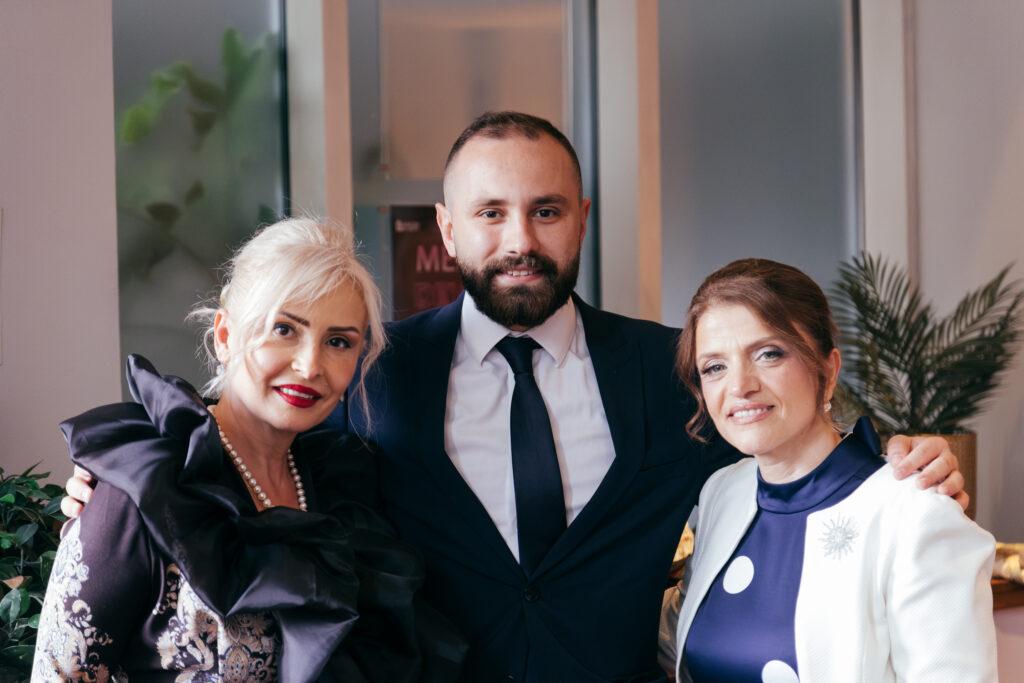
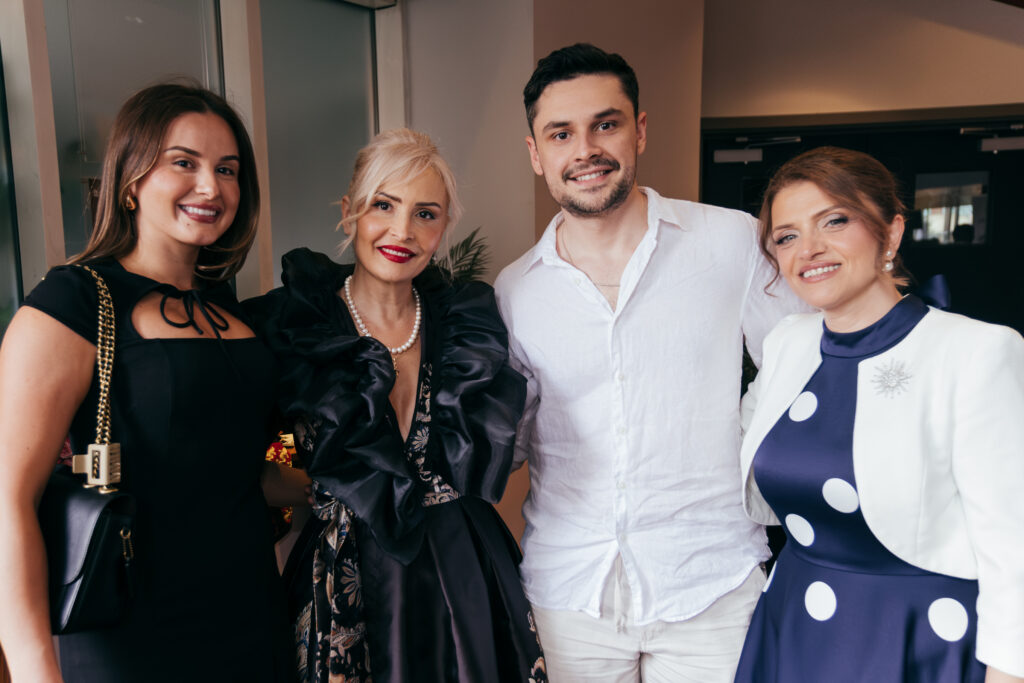
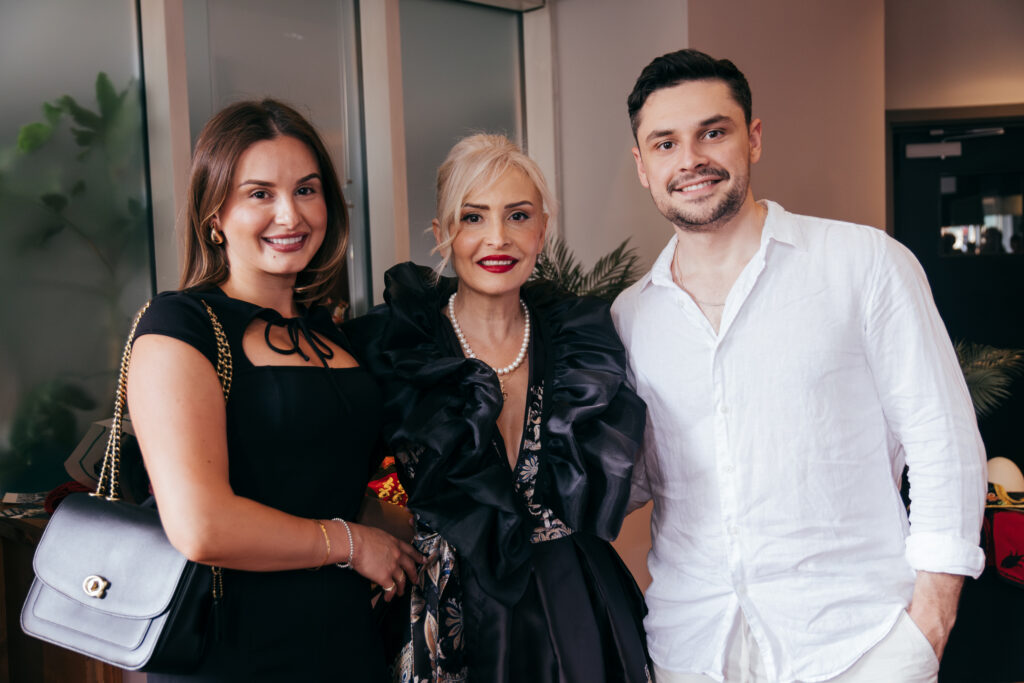
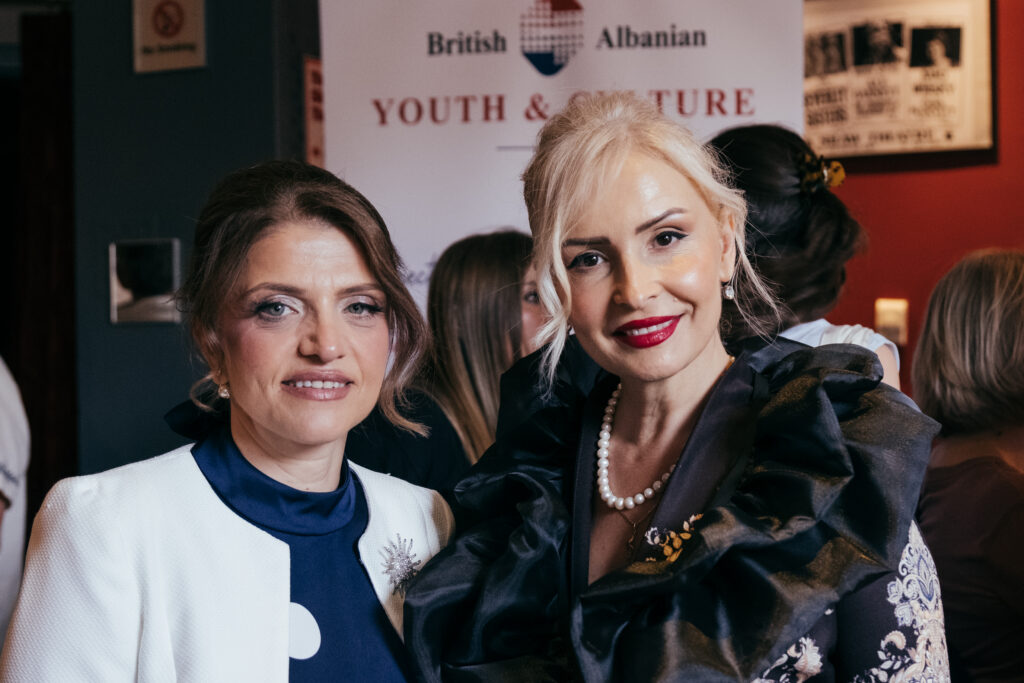
Behind this historic evening stand two women who dared to dream where many others would have chosen to give up, founders of Empowered Women of Diaspora and the creators and project designers of “Albania Through Lord Byron’s Eyes” (NAMELY) Ensuida Keputa and Alda Muskaj.
This project was not the result of chance. It was born from a clear vision and shaped through months of dedication, determination, sacrifice, and unwavering belief. Every challenge became another reason to continue, driven by one shared purpose: to bring Albania to the heart of London with the dignity, beauty, and respect it deserves.
What began as an idea inspired by a deep love for their homeland evolved into a defining cultural moment for the Albanian diaspora in the United Kingdom. This was never simply about organising an event. It was about creating a platform to tell the world who Albanians are, to celebrate the richness of their cultural heritage, and to strengthen the bridge between Albania and the international community through the power of culture.
To tell this story, the project turned to a voice that had admired Albania long before the rest of Europe had begun to understand it, Lord Byron.
More than two centuries ago, Byron wrote with remarkable admiration (LITERATURES) about the Albanian people, their courage, traditions, and character in Childe Harold Pilgrim. Through this production, his words returned to life before a British audience, in his own homeland, reminding everyone that the friendship between Britain and Albania has roots that stretch back through history.
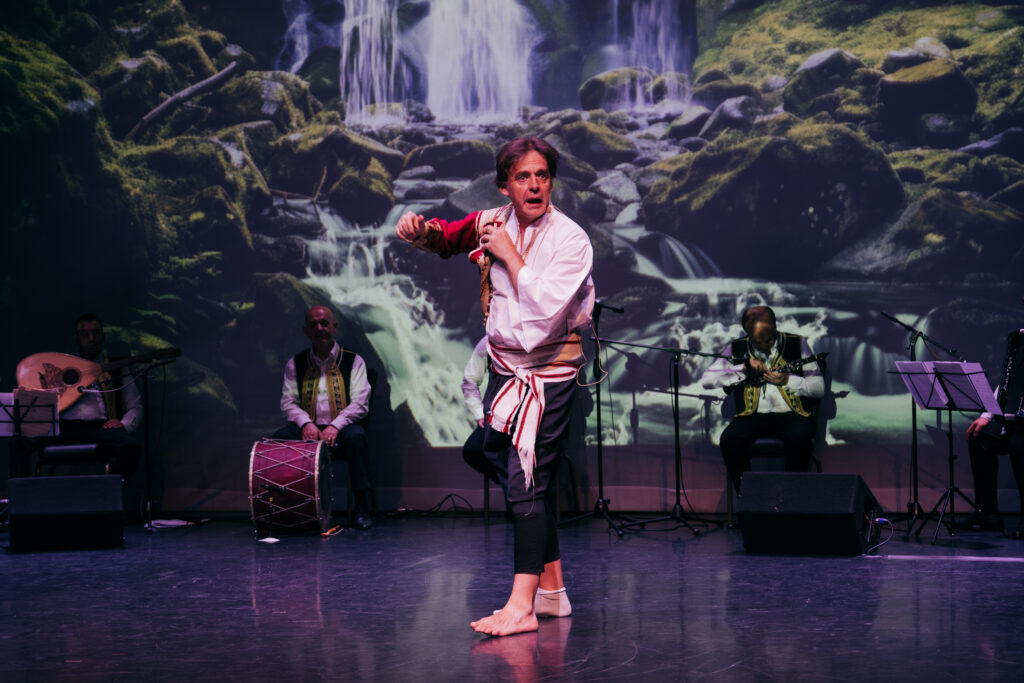
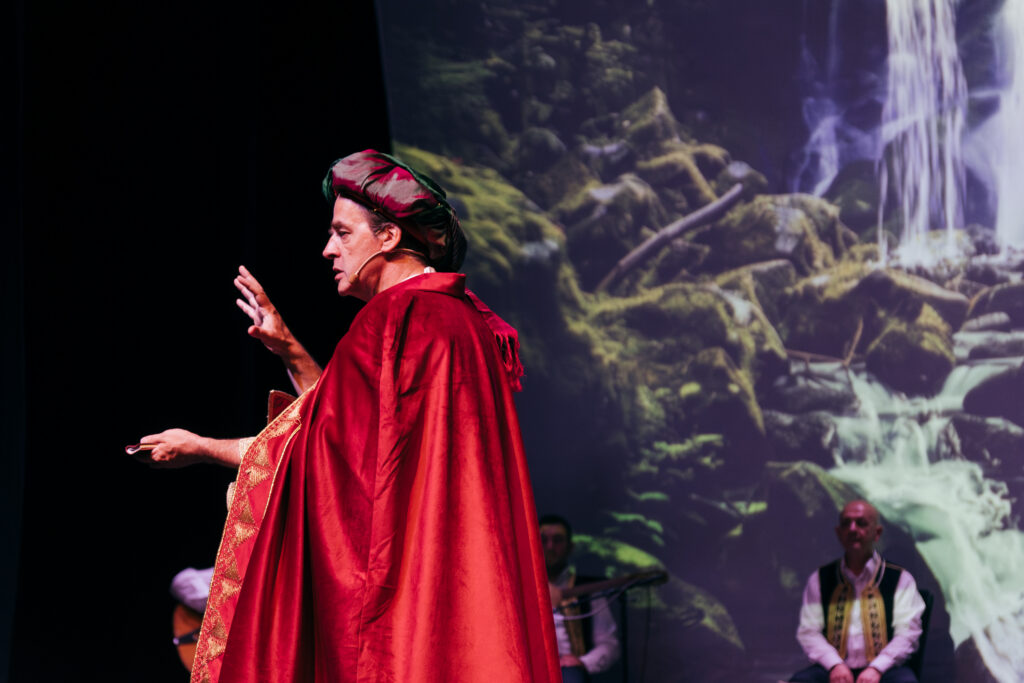
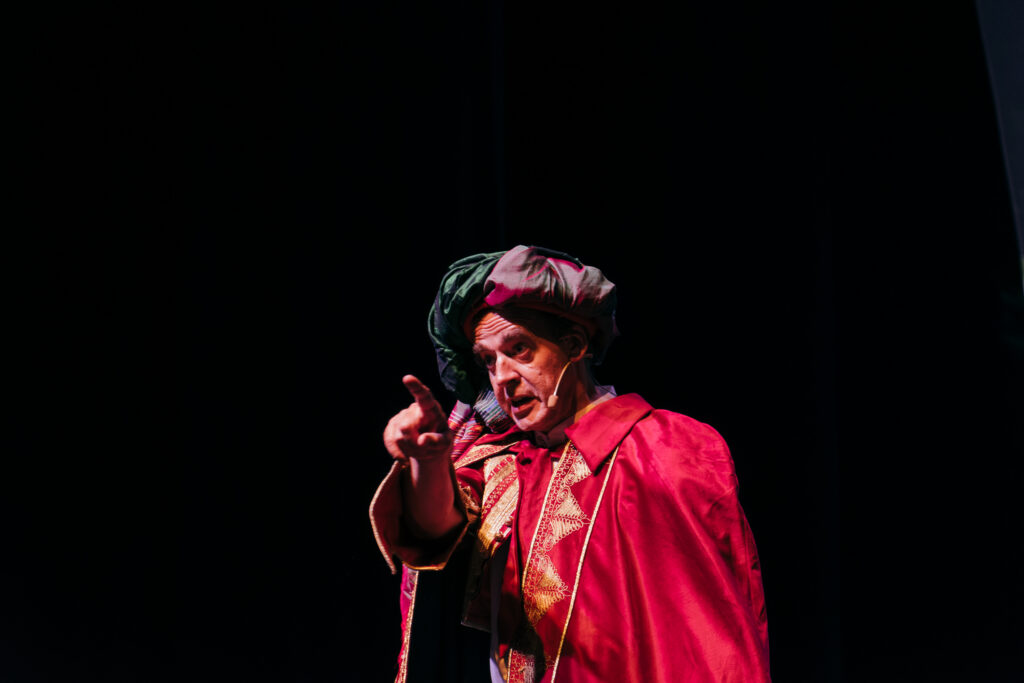
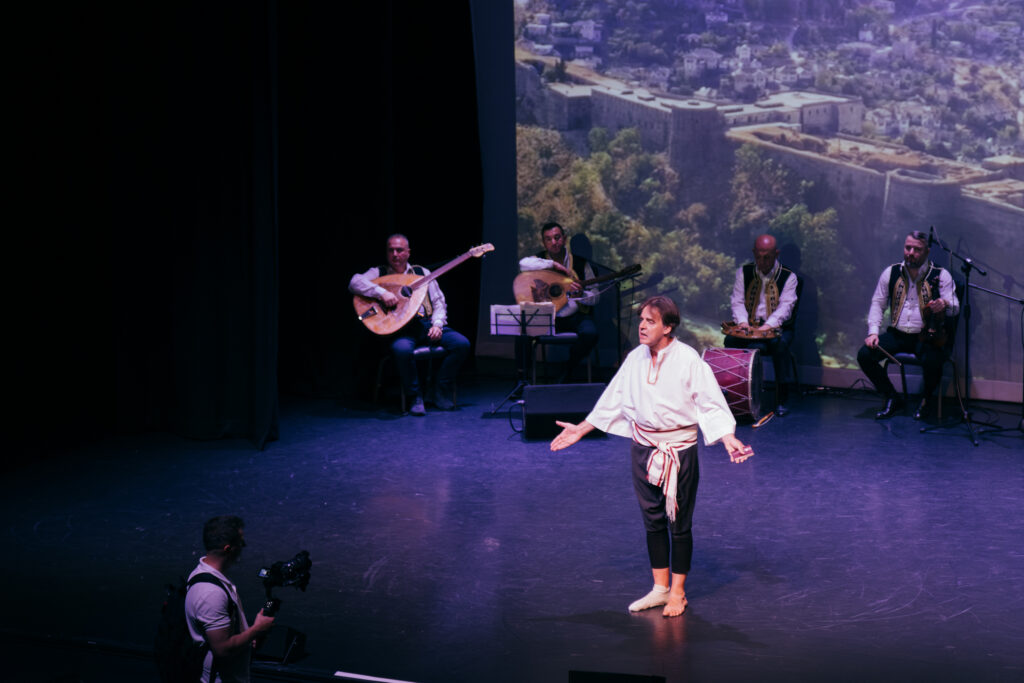
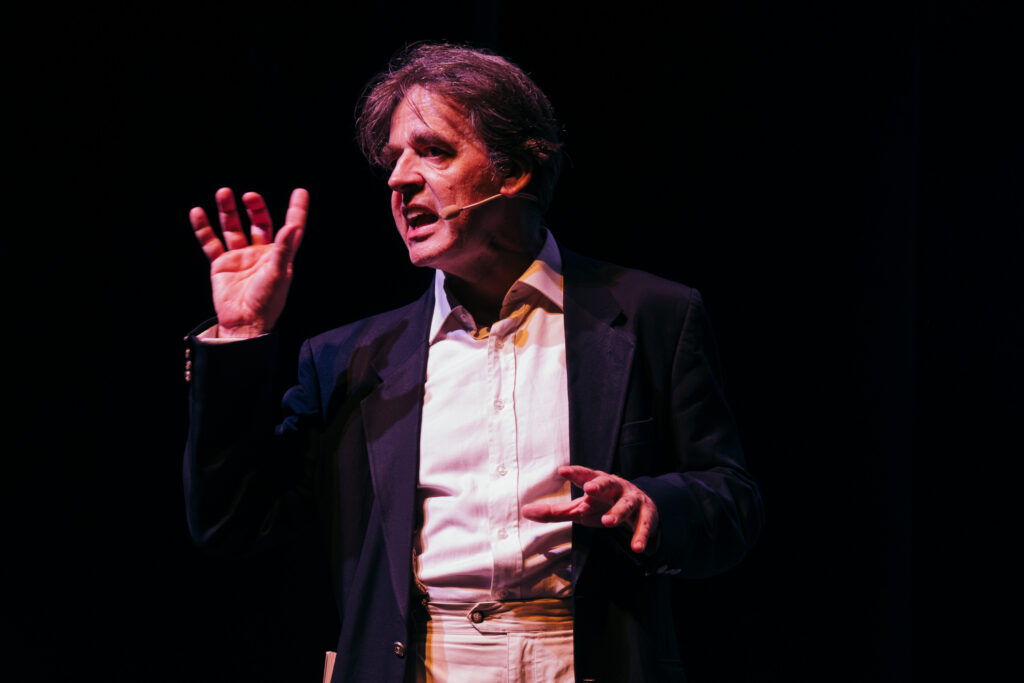
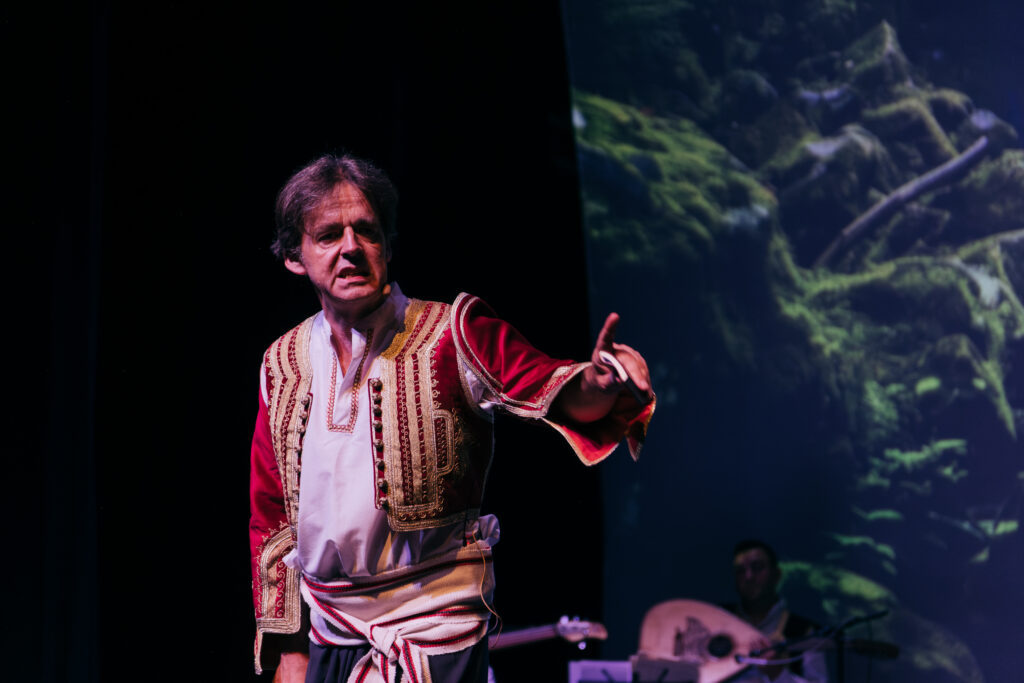
Lord Byron was brought vividly to life by British-Kosovar (KOSOVAN) actor Robert Wilton, whose compelling performance became one of the defining moments of the evening. As he began to speak, the theatre fell into complete silence. It felt as though history itself had found its voice once again, allowing Lord Byron’s admiration for Albania to resonate across generations.
Robert Wilton’s participation in the project was made possible through the vision and support of Mira Hoxha, former Ambassador of Albania (IN) to Hungary, who believed in the (EVENT’S) concept from its earliest stages and played a key role in bringing this unique collaboration to life.
His performance did more than portray a historical figure. It revived the words of one of Britain’s greatest poets and reminded the audience that Lord Byron’s admiration for Albania has endured for more than two hundred years. On that evening, history was not simply remembered—it was experienced.
When the Stage Became Albania
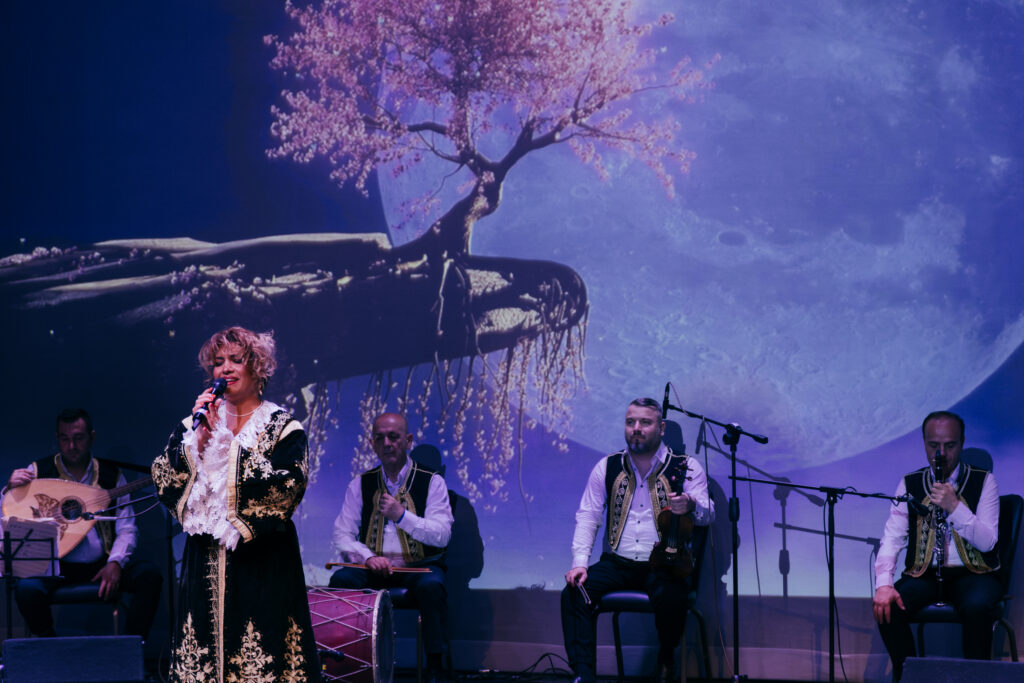
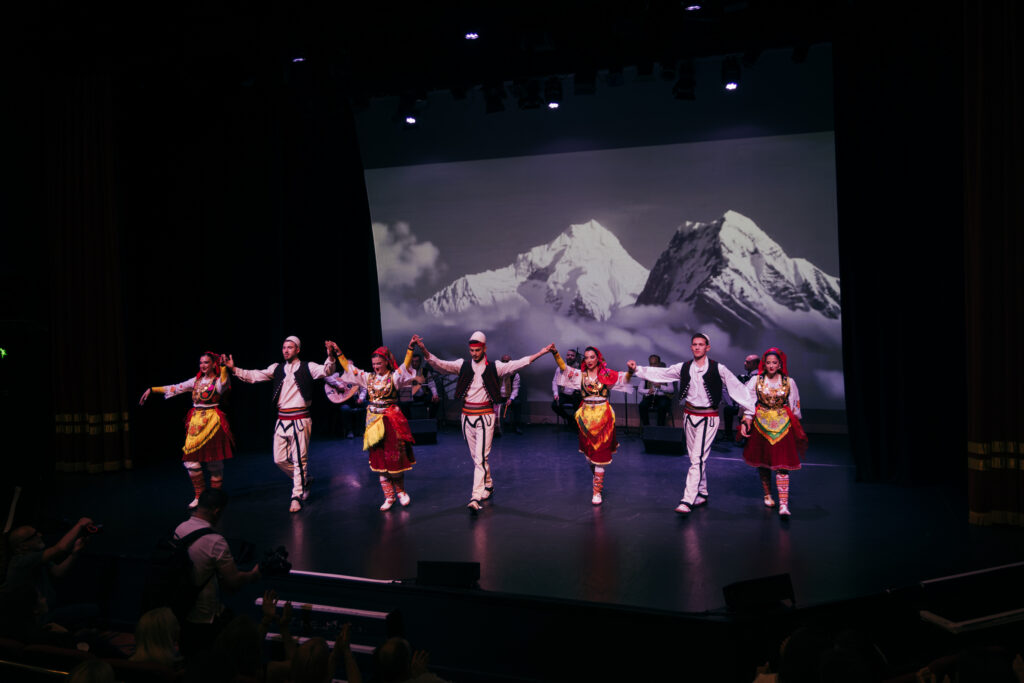
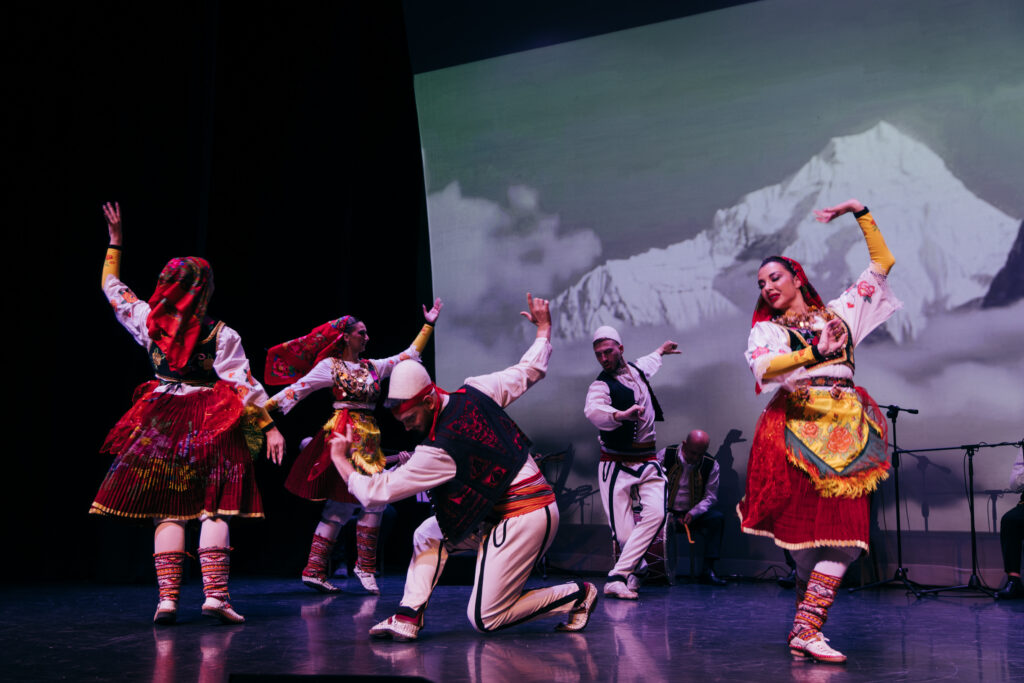
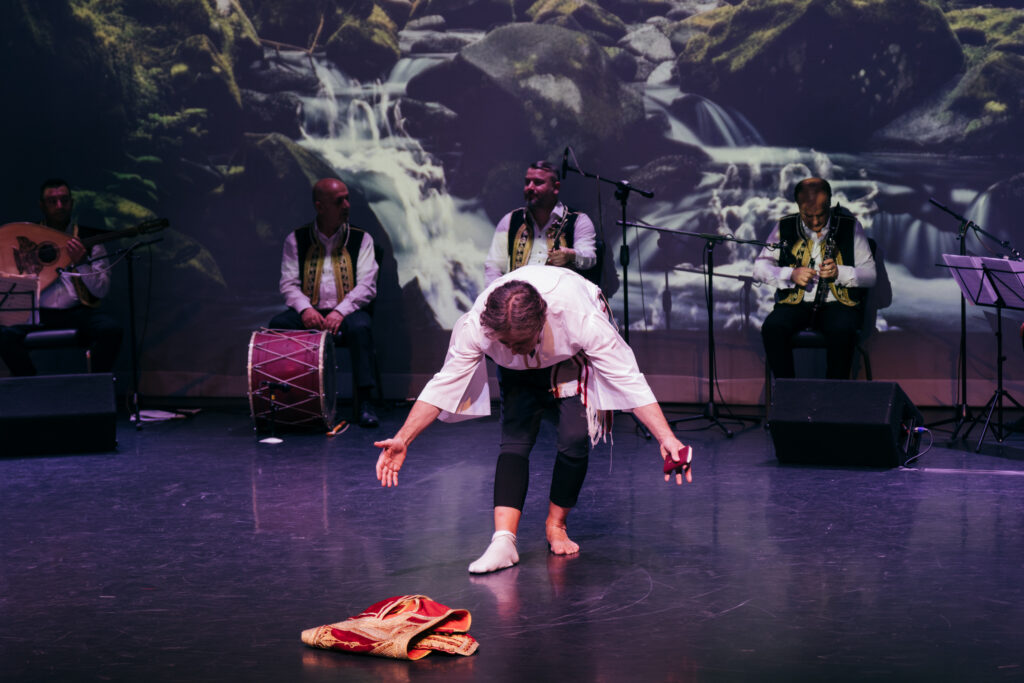
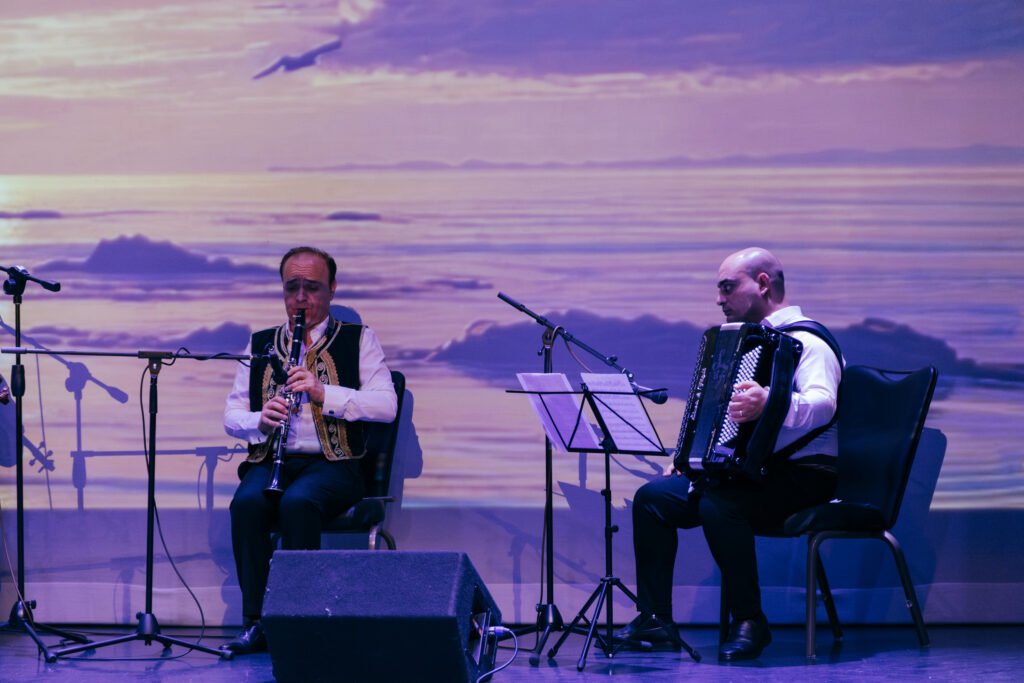
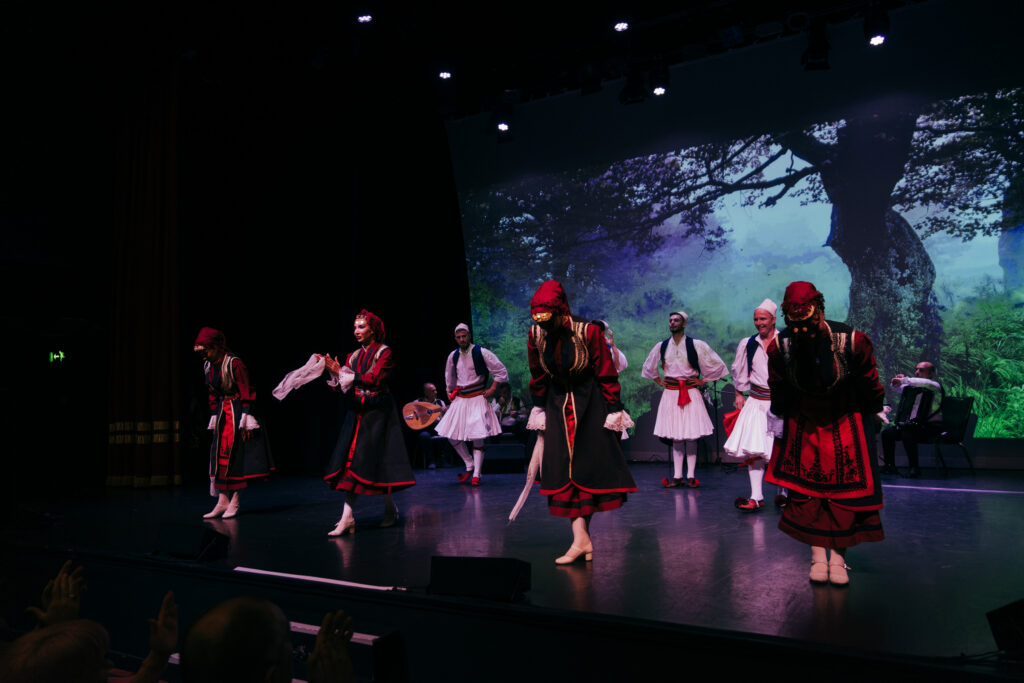
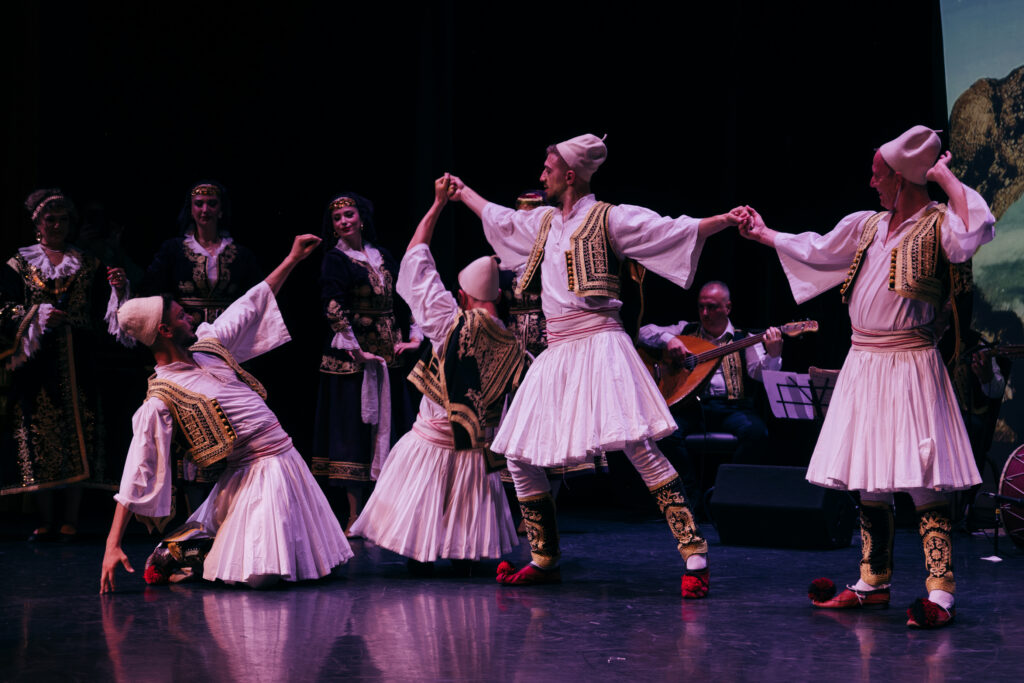
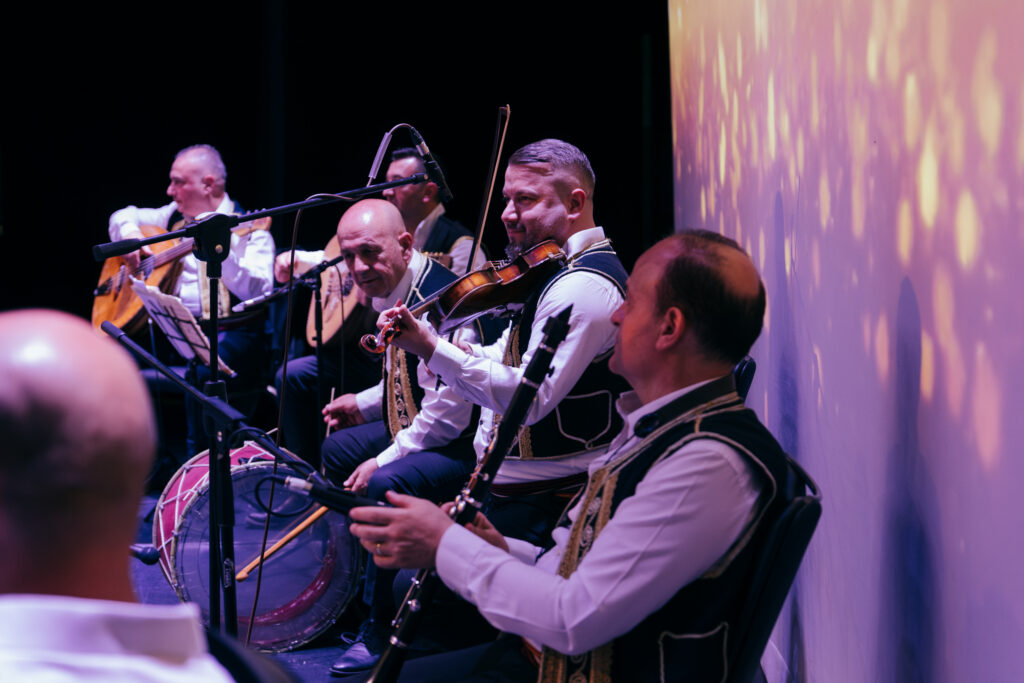
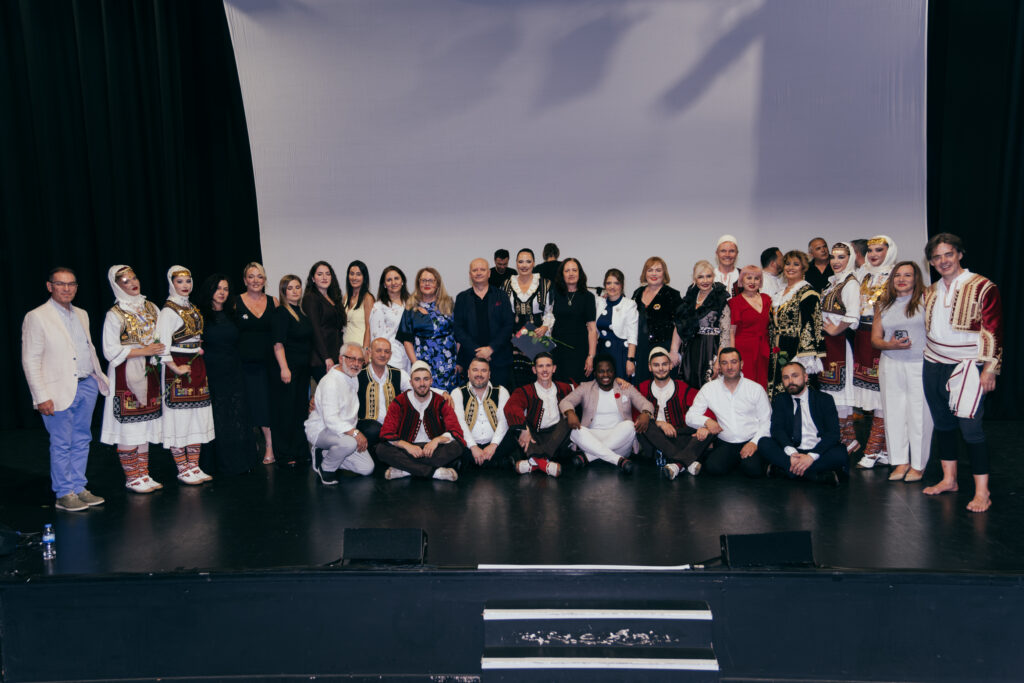
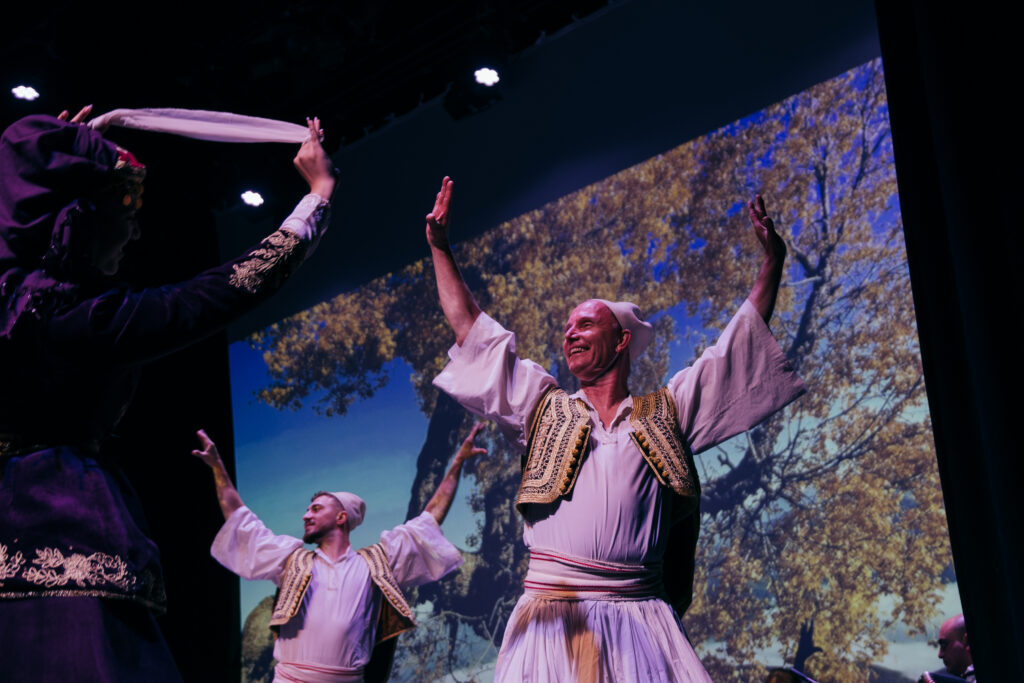
Under the artistic direction of Sokol Marsi, honoured with the title “Grand Master” and Artistic Director of the National Ensemble of Folk Songs and Dances of Albania, the stage in London was transformed into a living portrait of Albania. For one unforgettable evening, every note, every dance, every costume, and every performance became a celebration of a nation whose cultural heritage has been preserved and passed down through generations.
The audience was taken on a remarkable journey across Albania’s regions, discovering the richness, diversity, and beauty of a tradition that continues to unite Albanians wherever they are in the world. Through music and dance, the performance celebrated not only folklore but also identity, history, and the enduring spirit of a people.
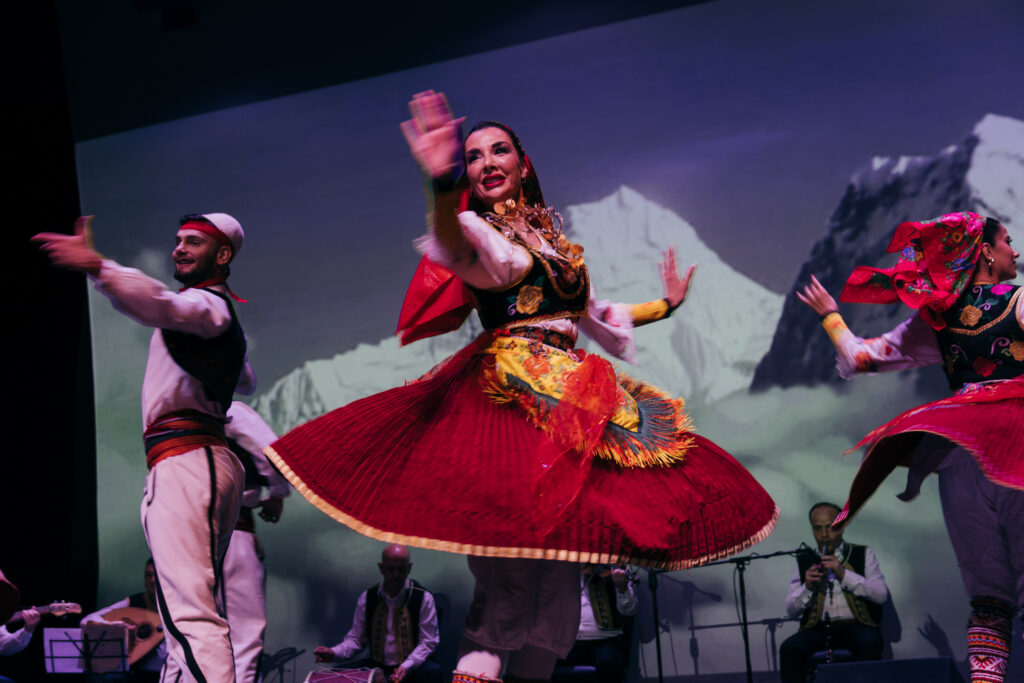
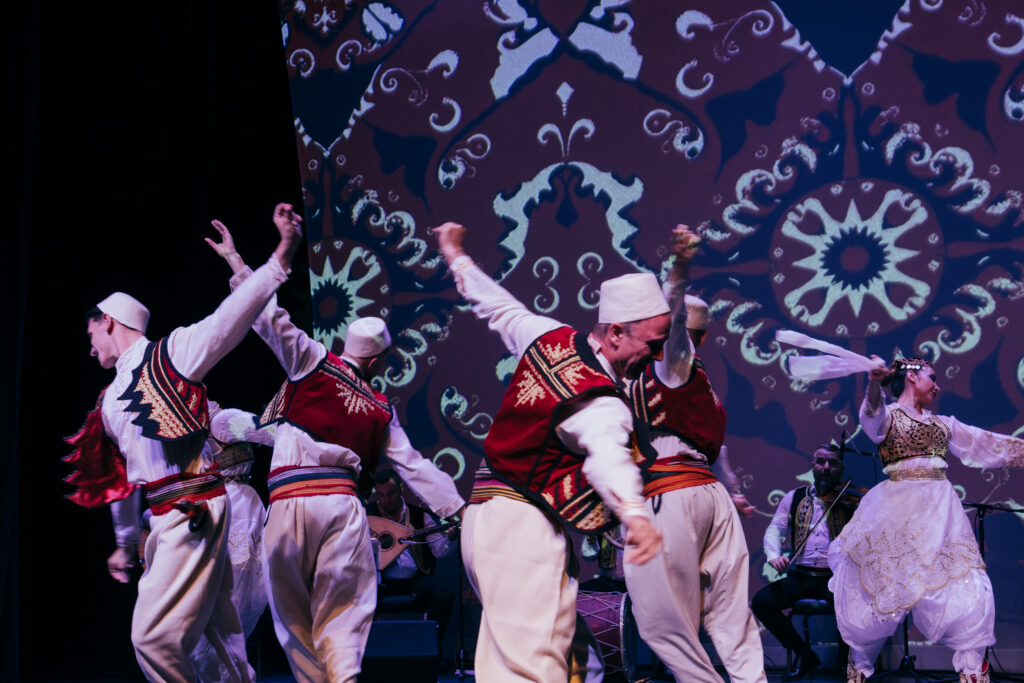
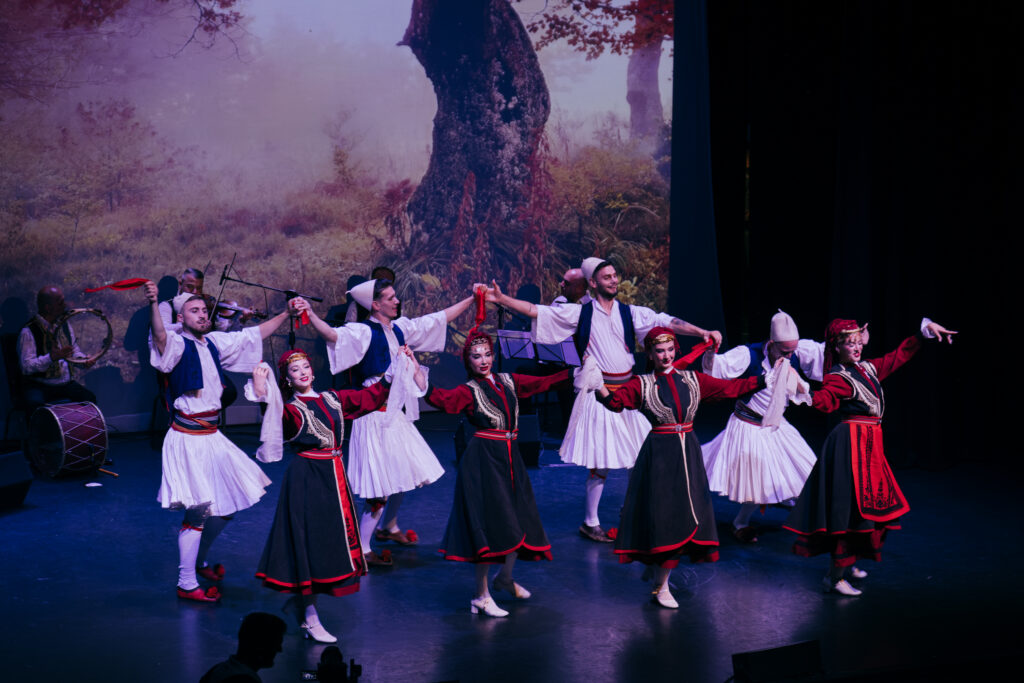
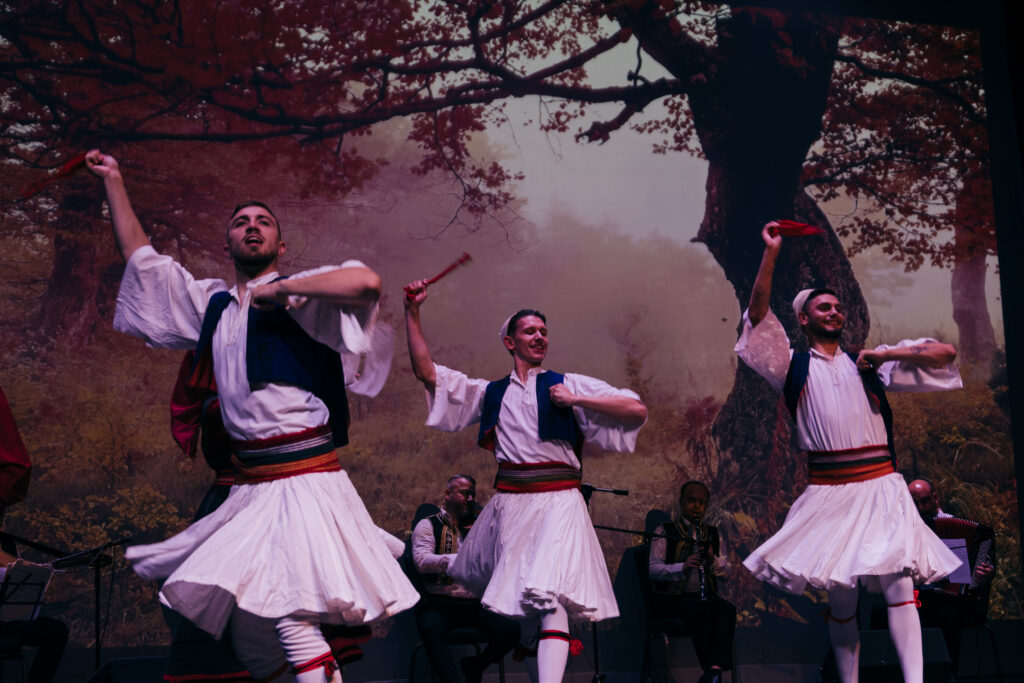
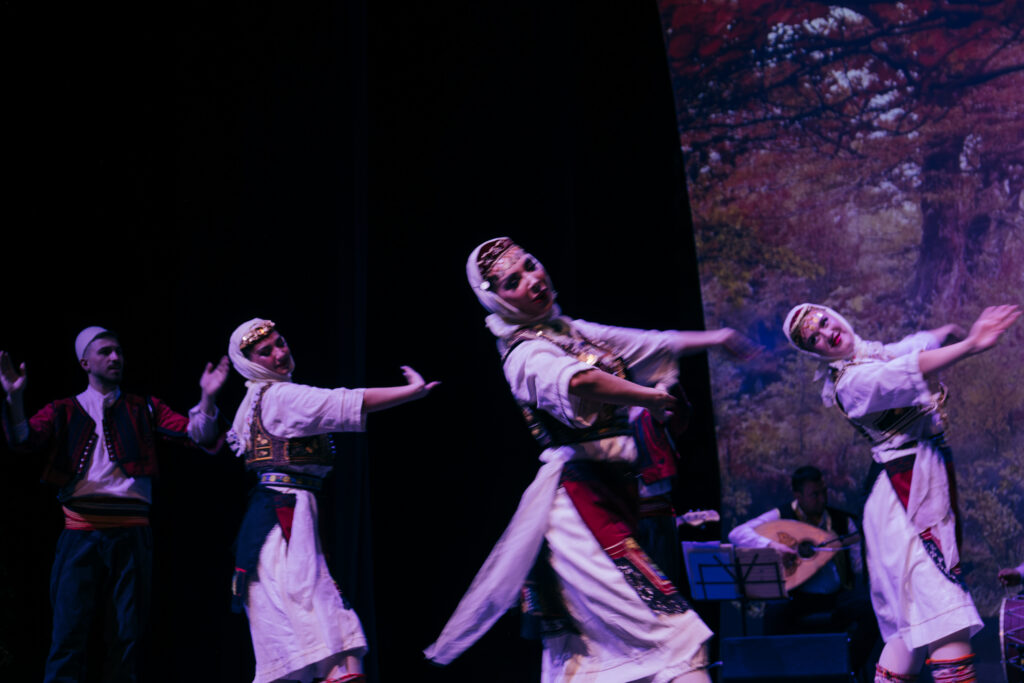
With exceptional artistry and authenticity, Genc Kastrati brought Albanian choreography to life, presenting traditional dances with elegance, precision, and energy while remaining faithful to the traditions from which they were born. Every movement reflected centuries of history, transforming the stage into a living expression of Albania’s cultural identity.
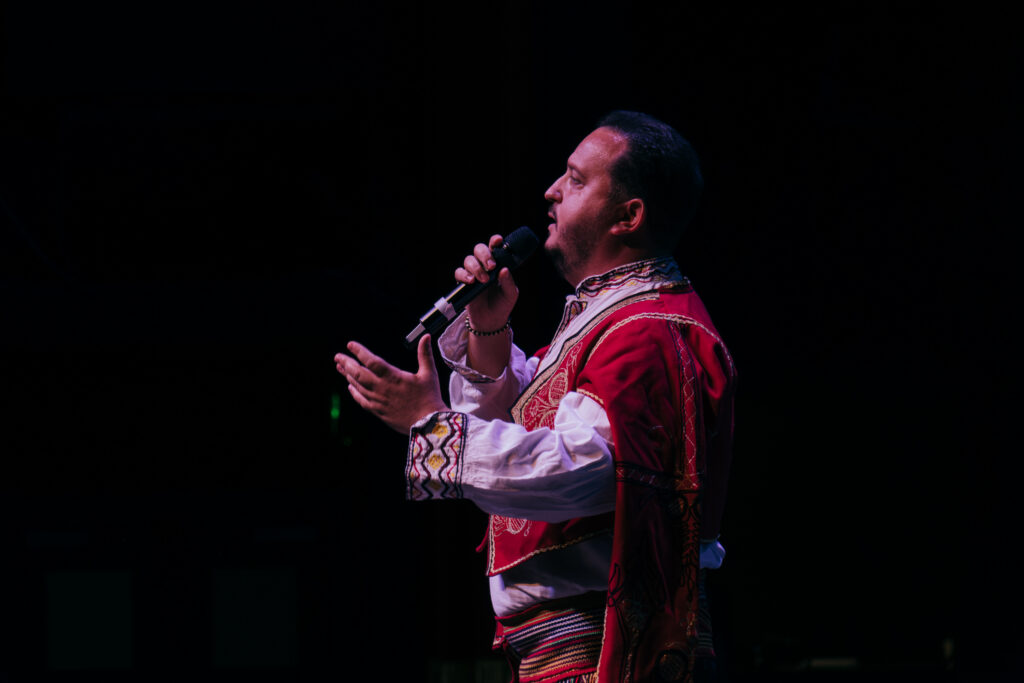
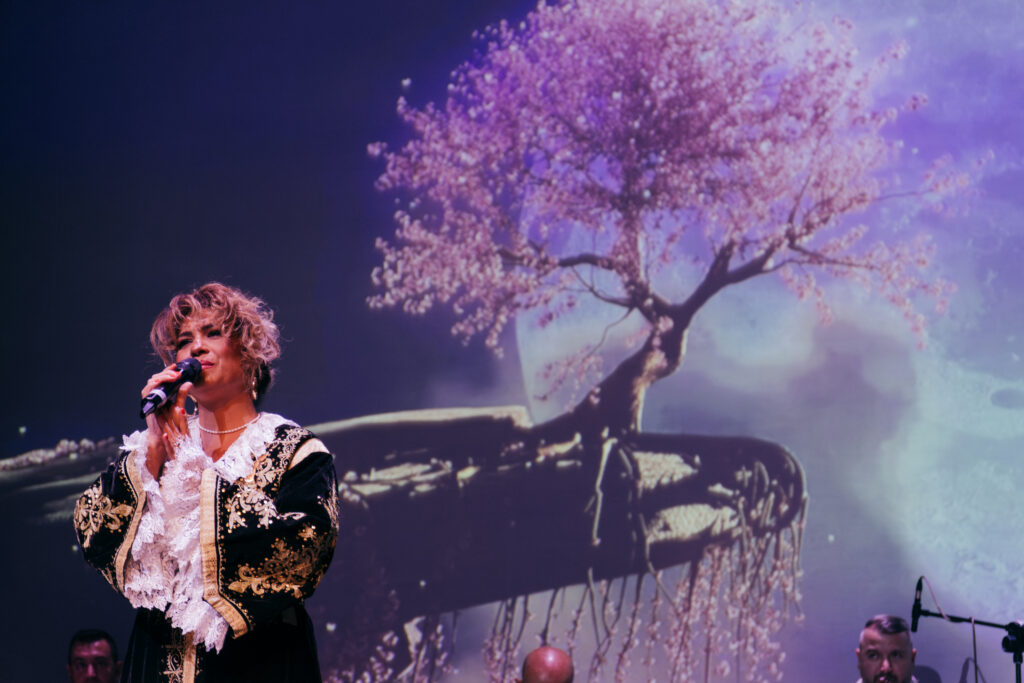
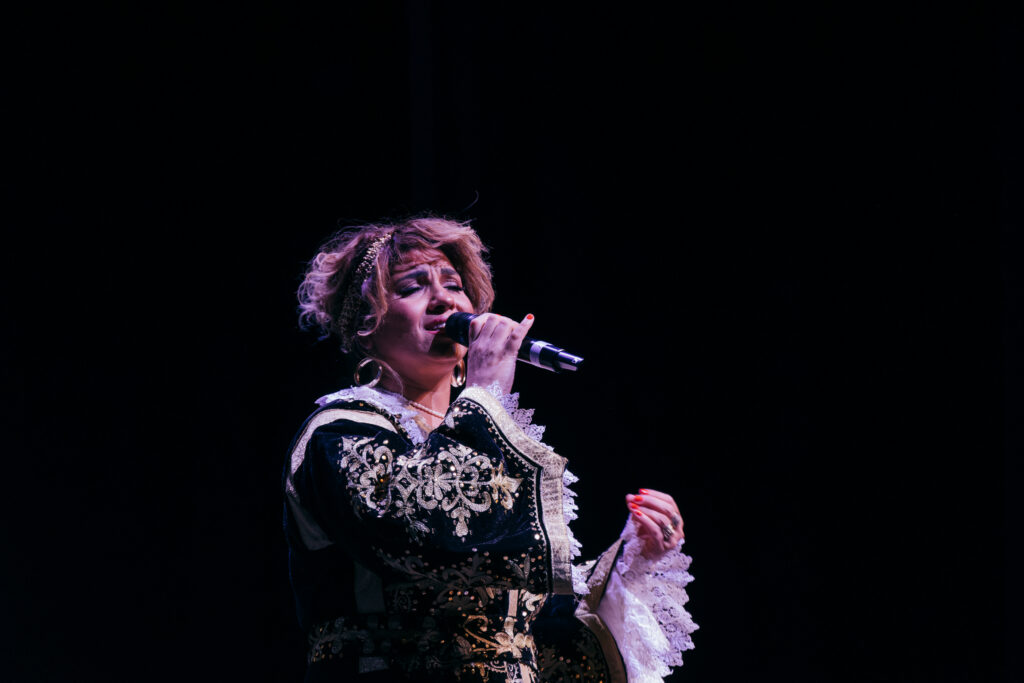
Guiding the audience throughout the evening was Suela Demiri, whose warmth, elegance, and thoughtful presentation connected each chapter of the performance with grace and sensitivity. The emotional heart of the evening was carried by the extraordinary voices of tenor Aranit Hoxha and soloist Denisa Gjezo. Their performances filled the theatre with the unmistakable emotion of Albanian music—music capable of awakening memories, nostalgia, pride, and a profound sense of belonging. For many members of the Albanian diaspora, it was a deeply personal moment for British guests, it offered an authentic encounter with the emotional depth of Albania’s musical heritage.
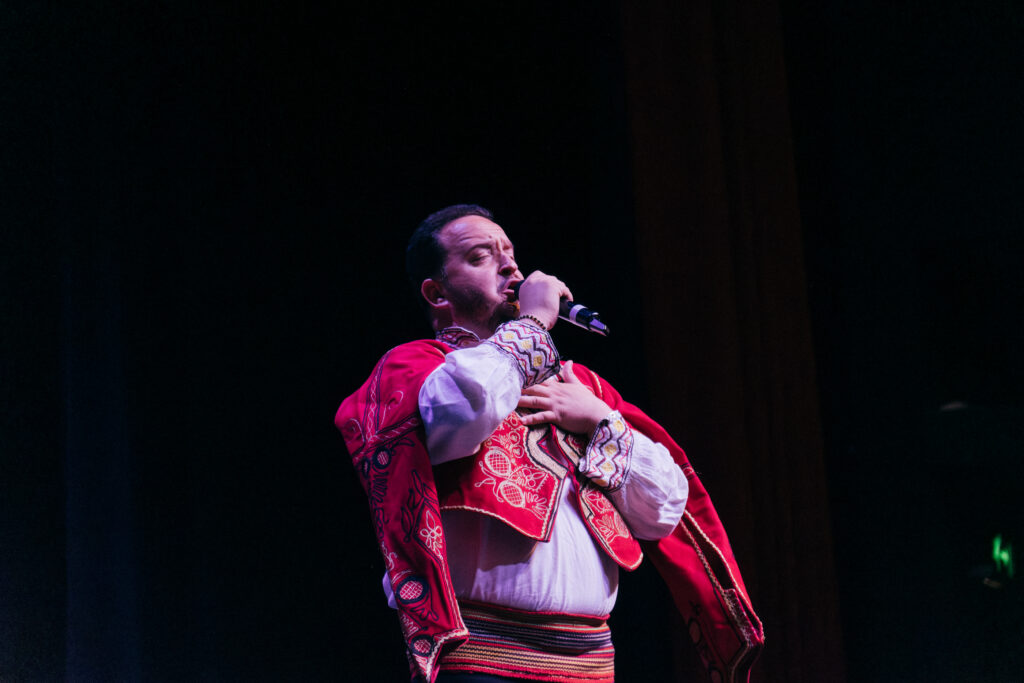
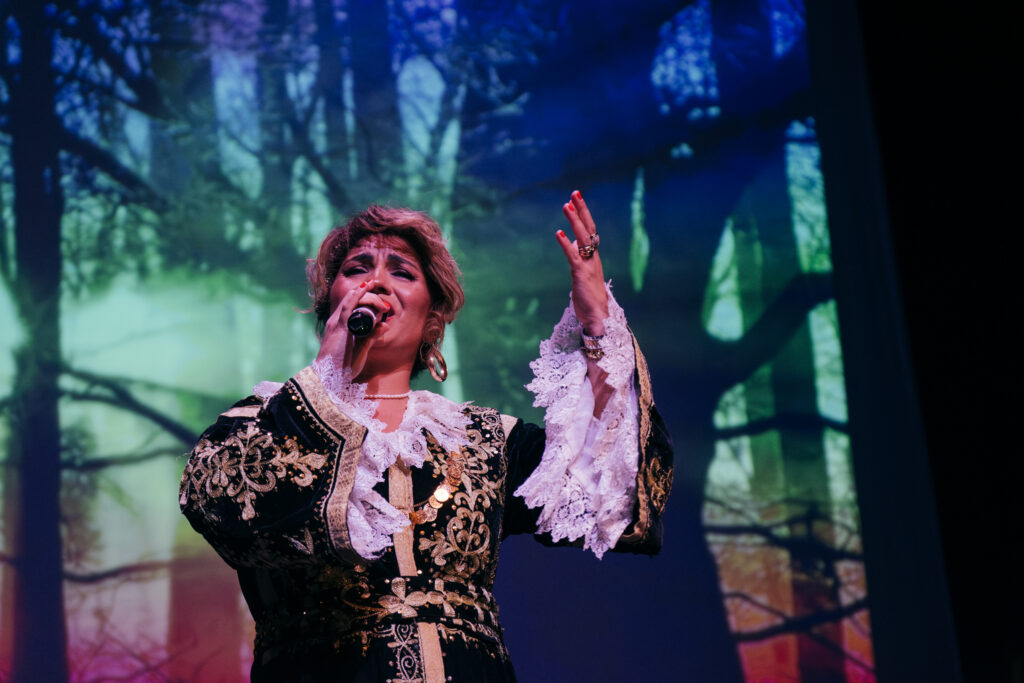
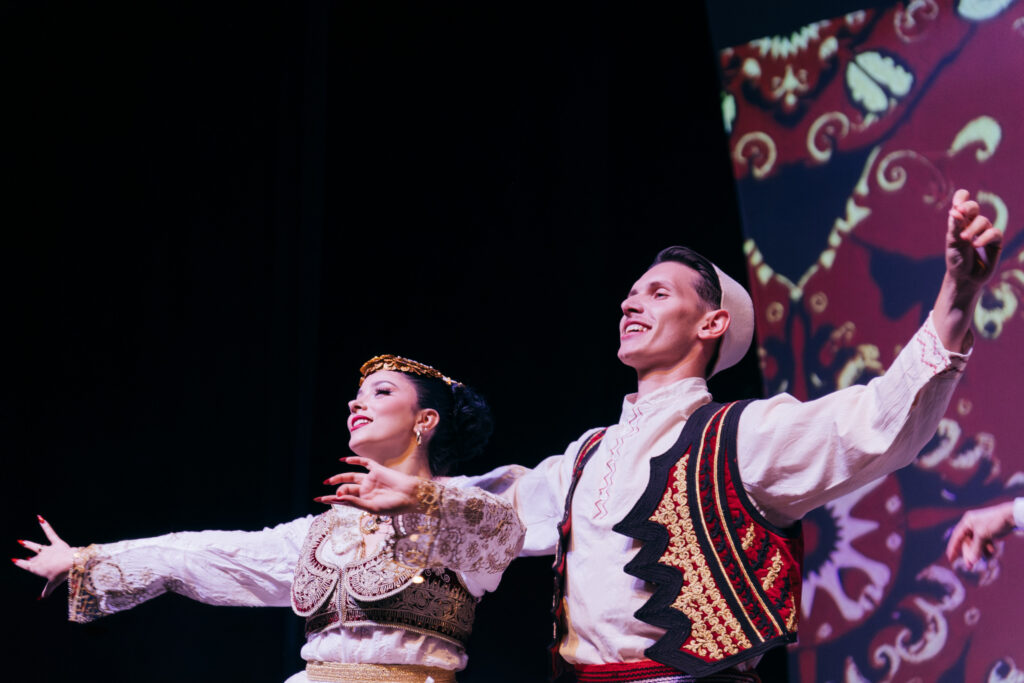
As dancers Flavio Xhaferri, Marjana Shkreta, Rei Berisha, Katerina Konini, Mirjam Llapushi, Enkelejda Agolli, and Kejsi Koxhaj stepped onto the stage, time itself seemed to stand still. Every movement carried strength and elegance. Every dance told a story. Every performance reflected the traditions, values, and resilience that have shaped Albanian culture for generations.
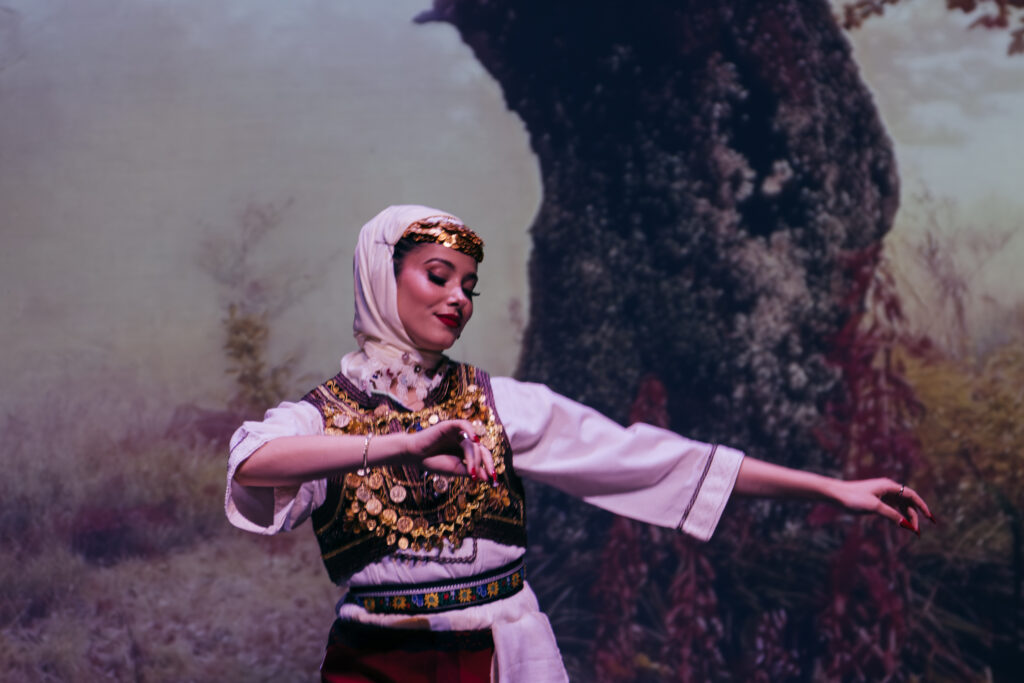
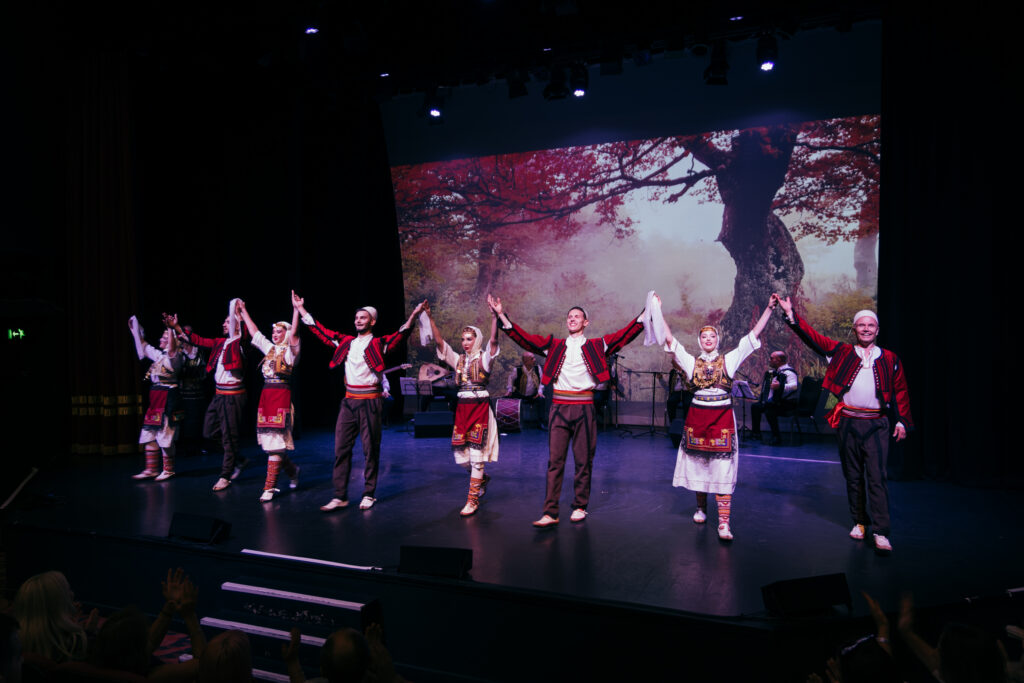
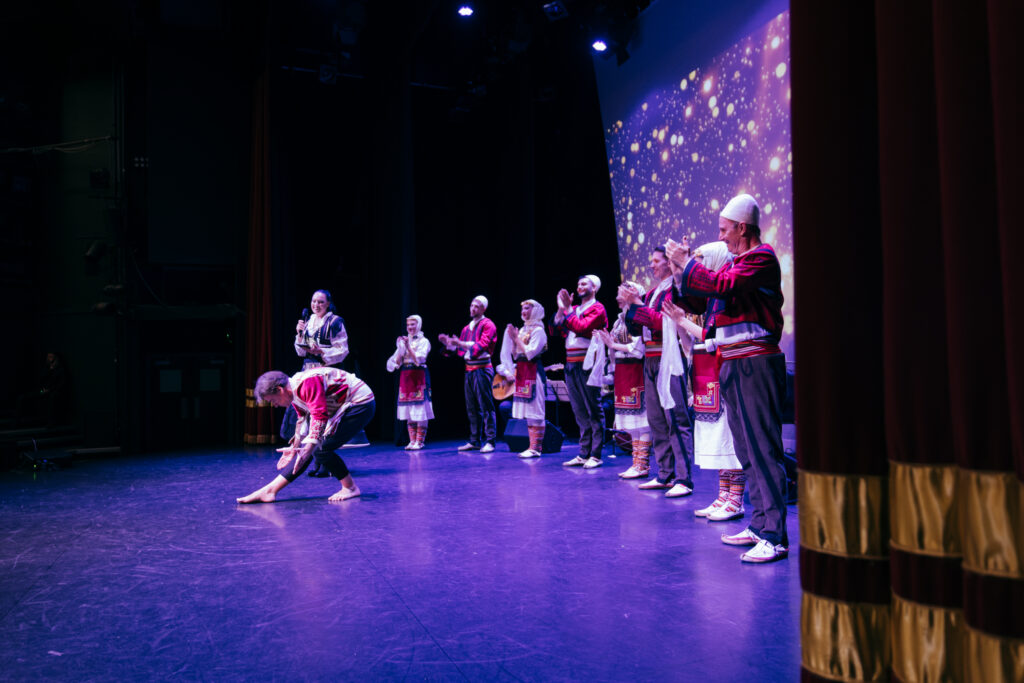
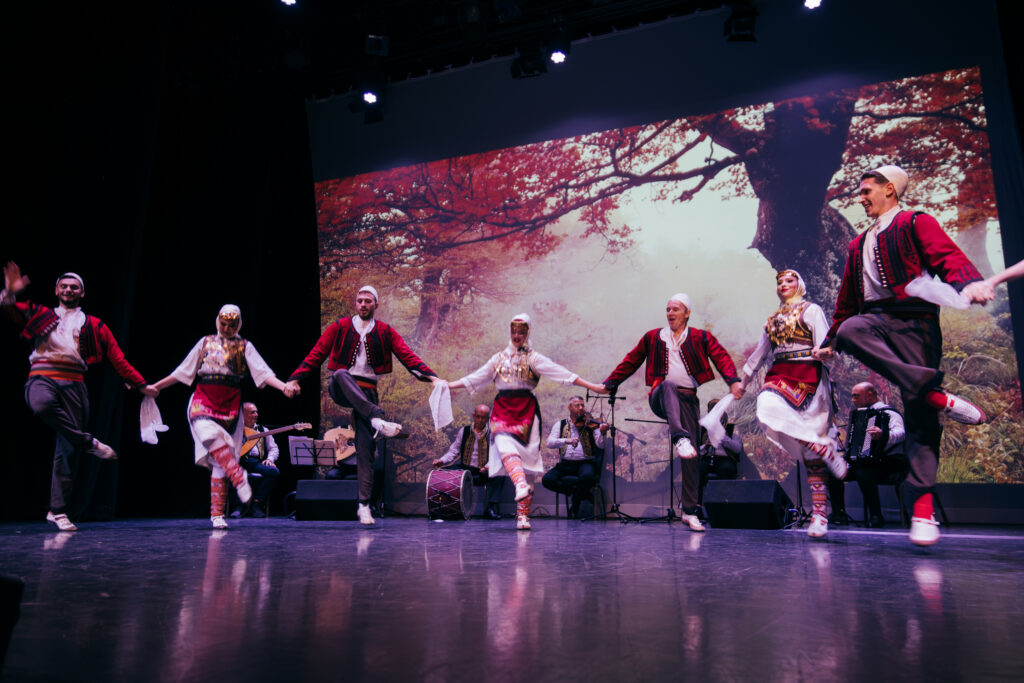
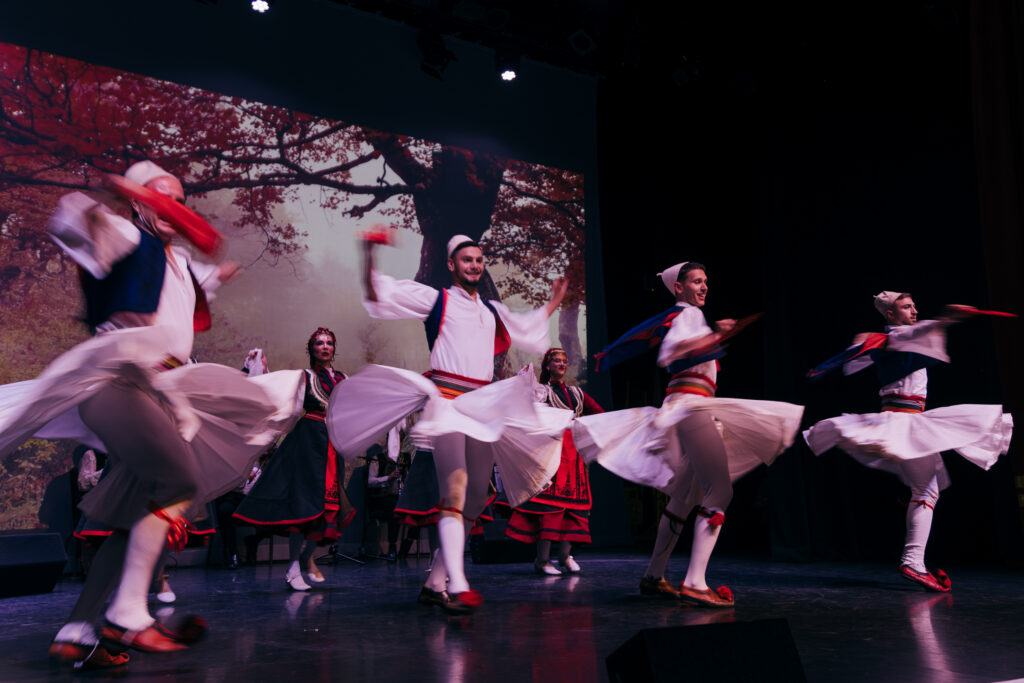
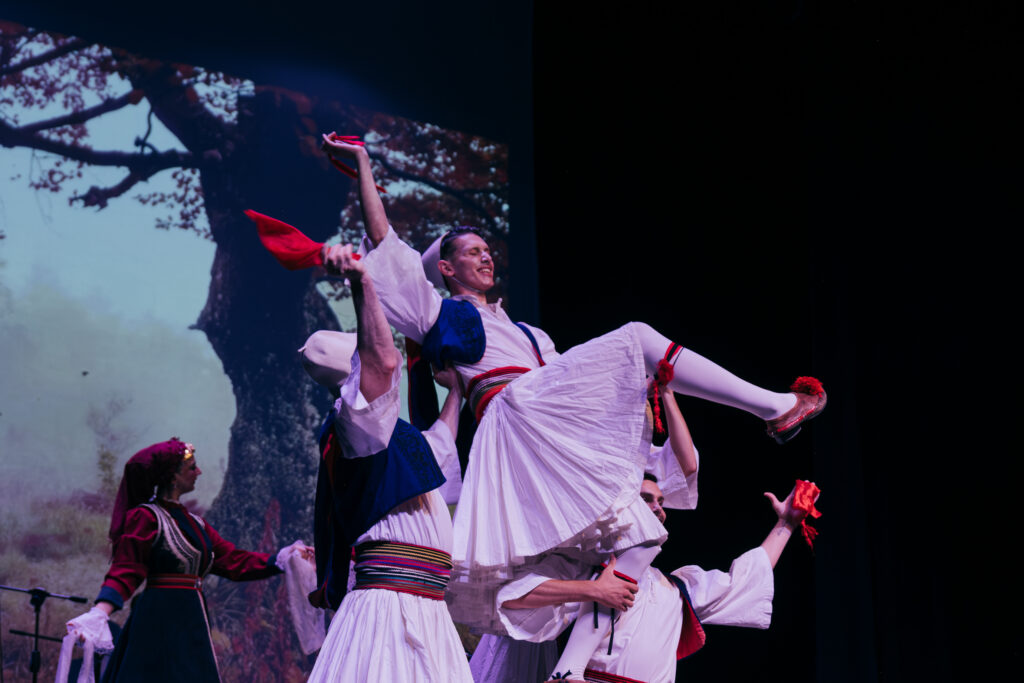
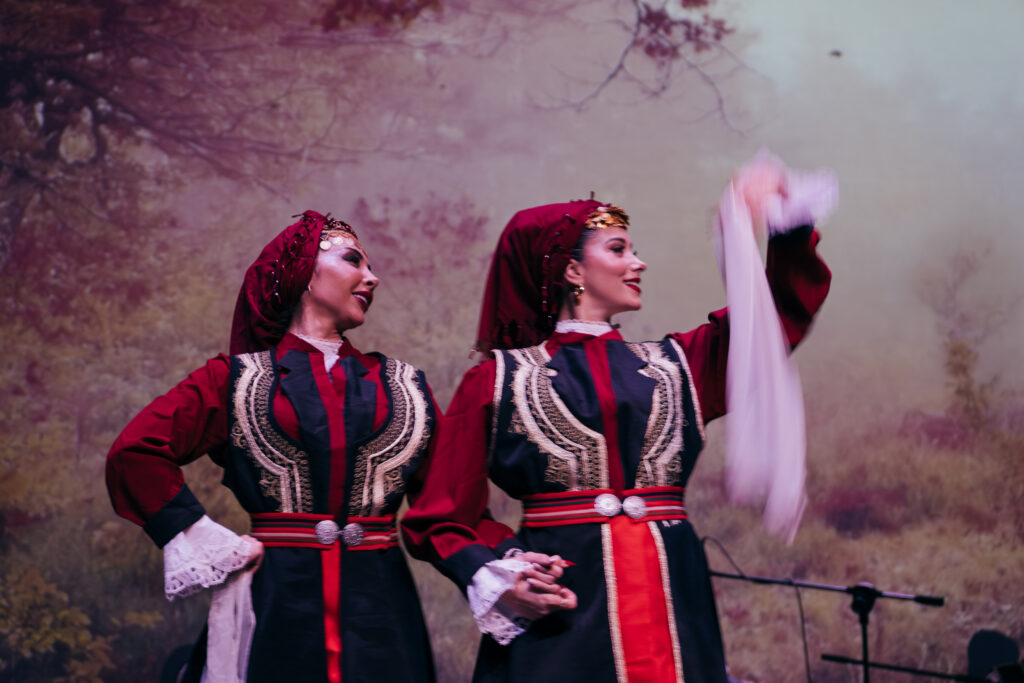
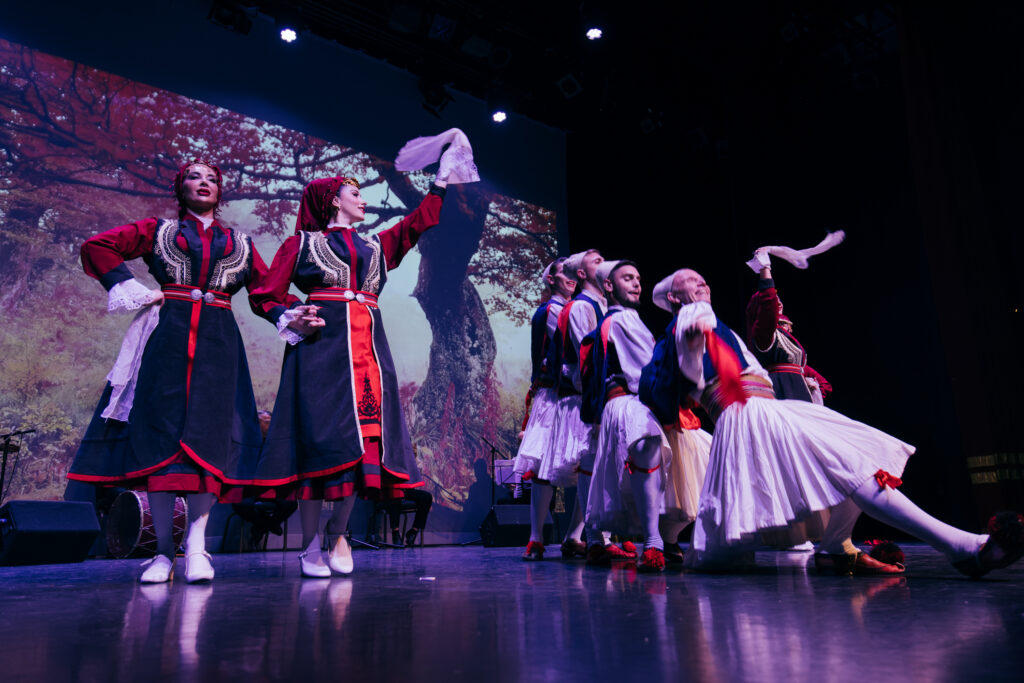
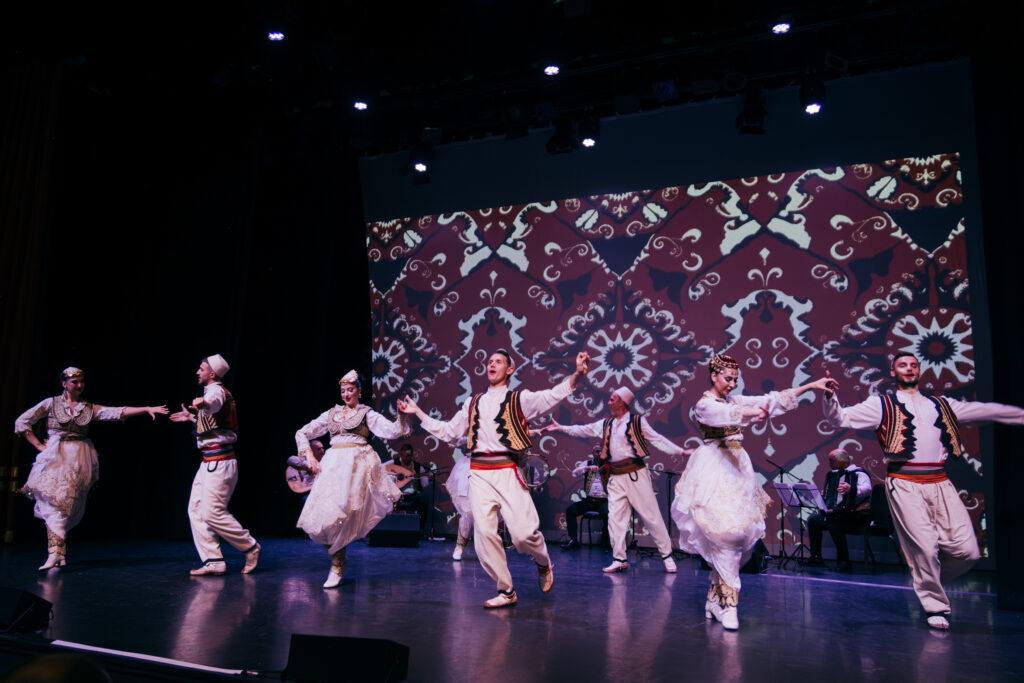
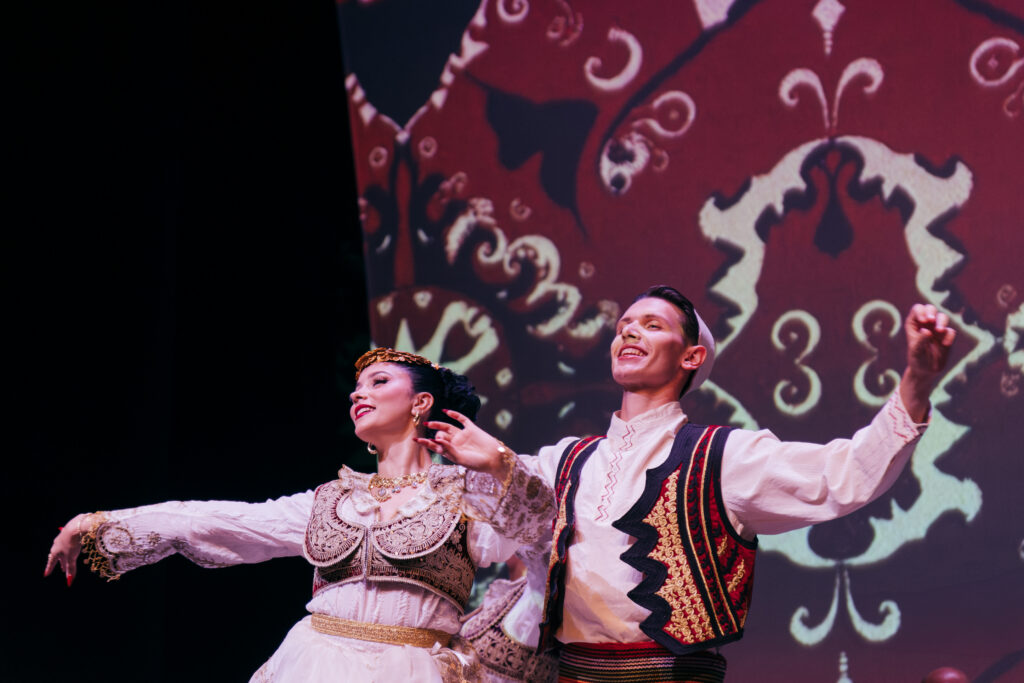
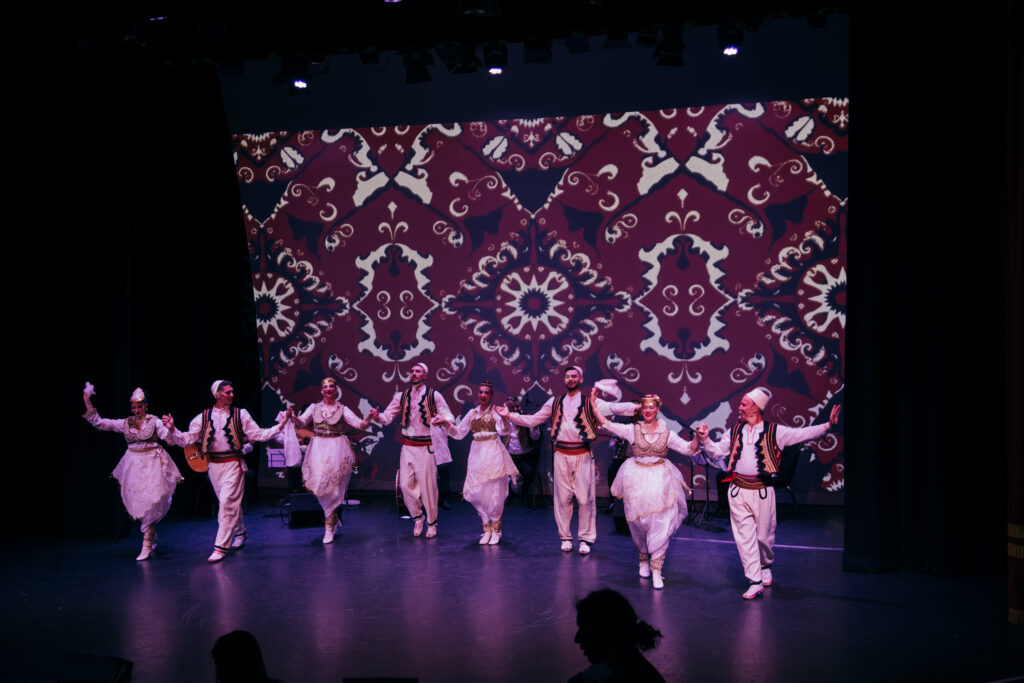
Through their talent, discipline, and dedication, these remarkable artists demonstrated that Albanian folklore is not a relic of the past—it is a vibrant and living heritage. Their performances reminded everyone in the theatre that culture has the power to transcend borders, connect people across languages, and create understanding where words are often not enough.
They were not simply performing choreography. They brought to London the spirit of Albania’s mountains and valleys, the rhythm of its villages, the colours of its traditions, and the pride of a nation that continues to preserve its identity through culture.
For one extraordinary evening, London was not merely hosting an Albanian performance. It became a place where Albania itself came to life through music, dance, poetry, and tradition, leaving an unforgettable impression on everyone fortunate enough to witness it.
When London Learned to Dance Albanian
Some of the most memorable moments of the project took place beyond the theatre stage.
One of them was the Albanian Folk Dance Workshop, led by renowned choreographer Genc Kastrati. For a brief but unforgettable time, Albanians and Britons danced side by side, moving to the same rhythm and sharing the same joy. As the sounds of traditional Albanian music filled the room, differences of language, nationality, and culture simply disappeared.
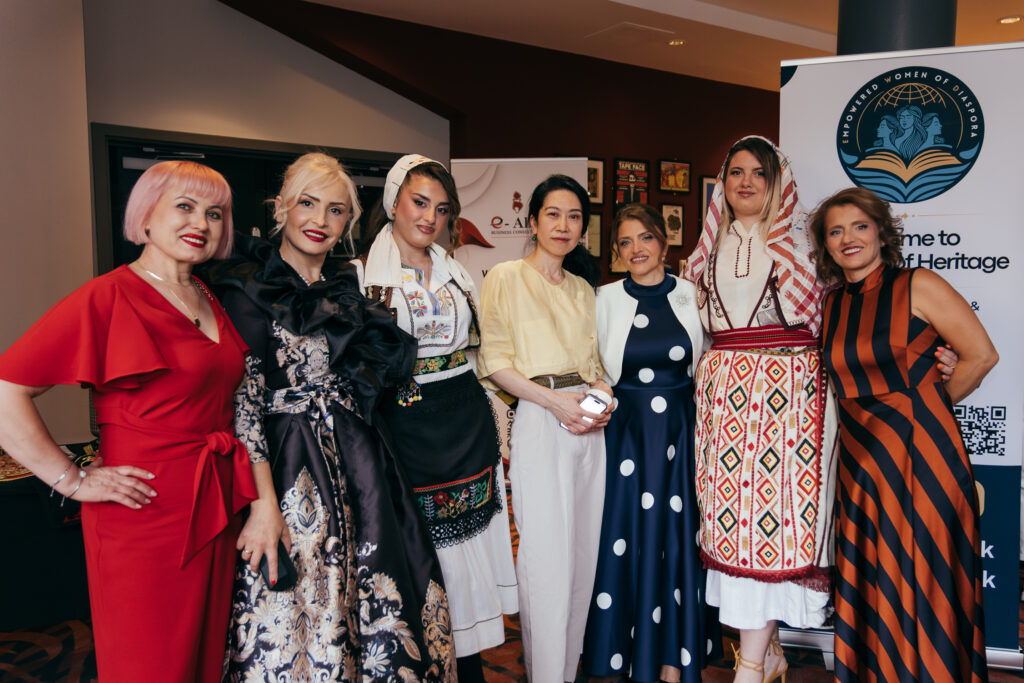
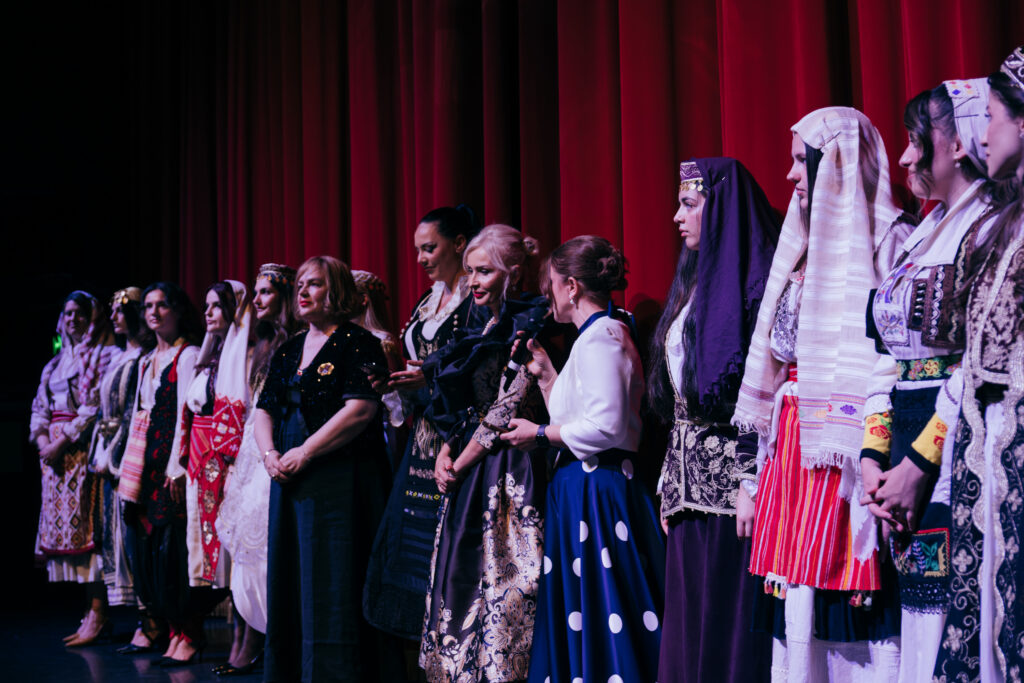
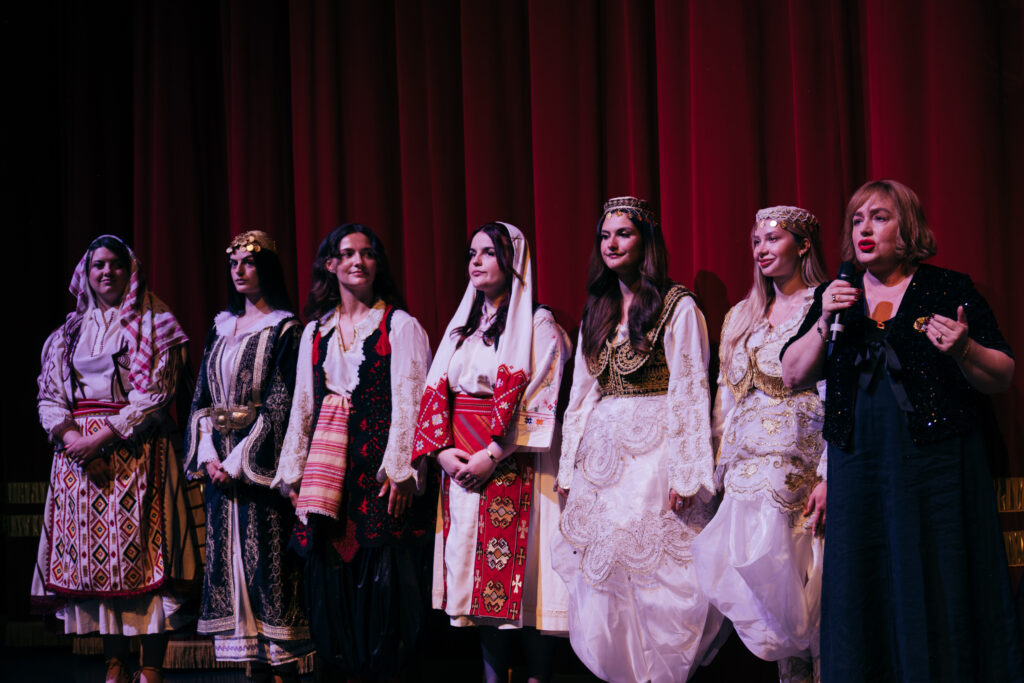
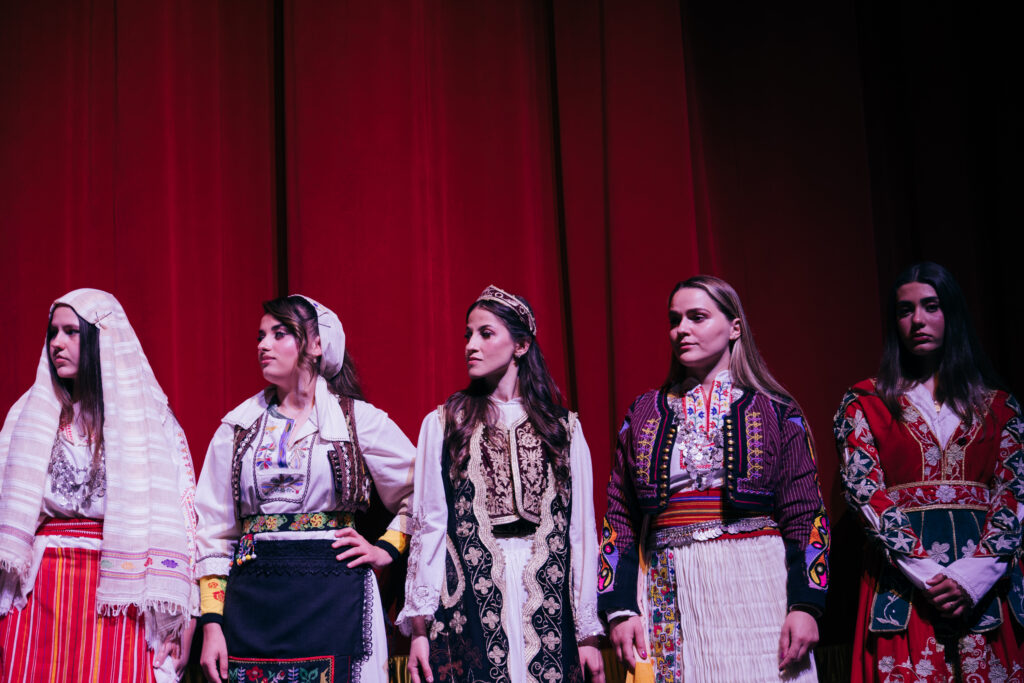
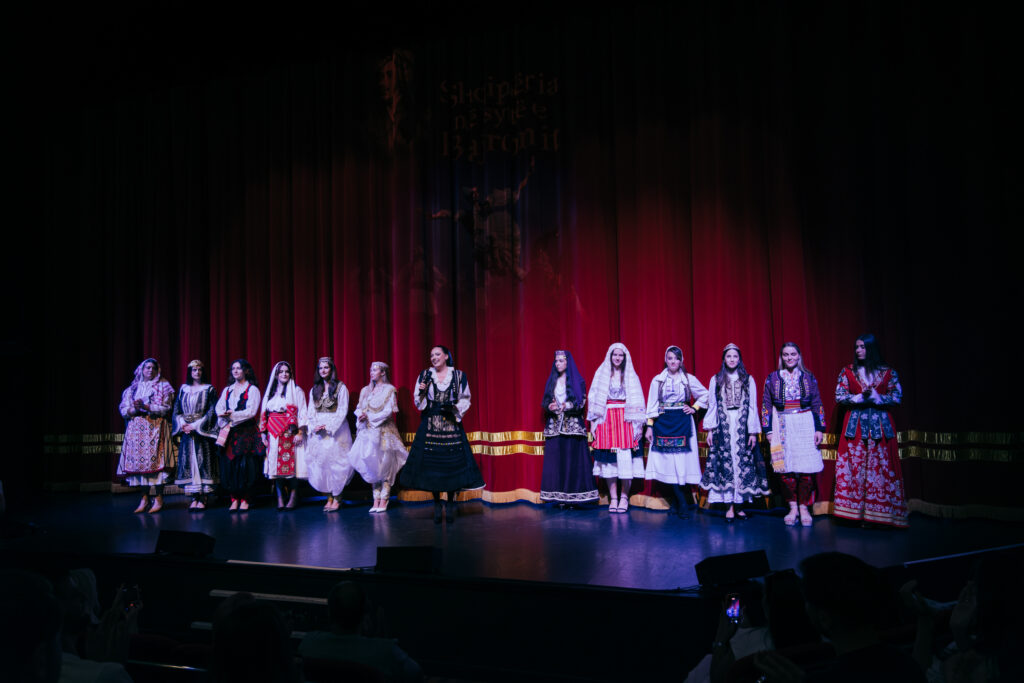
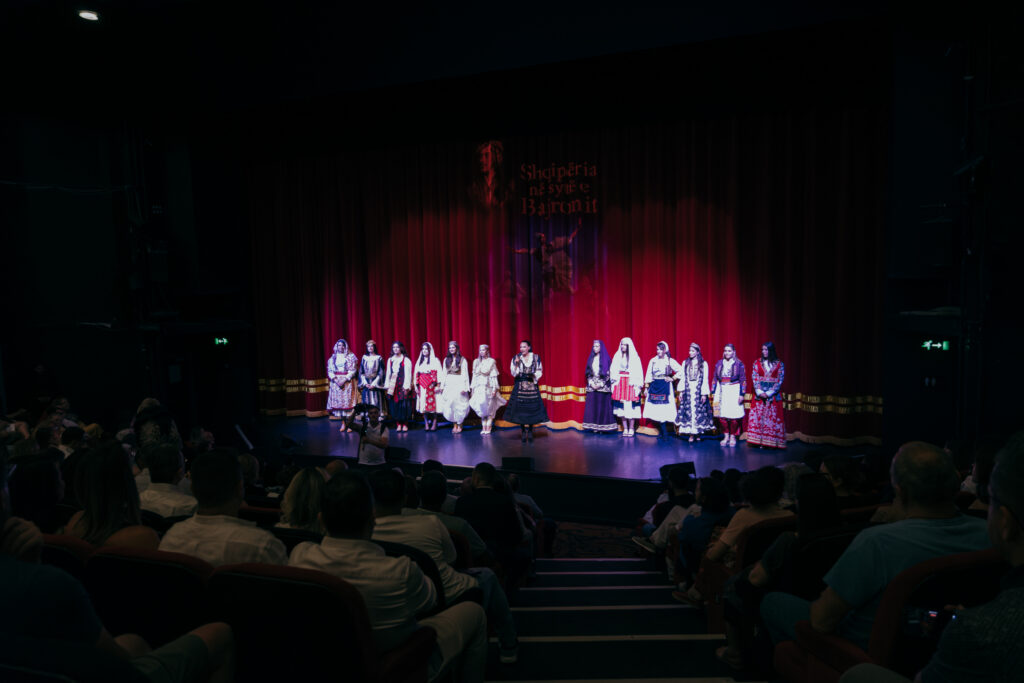
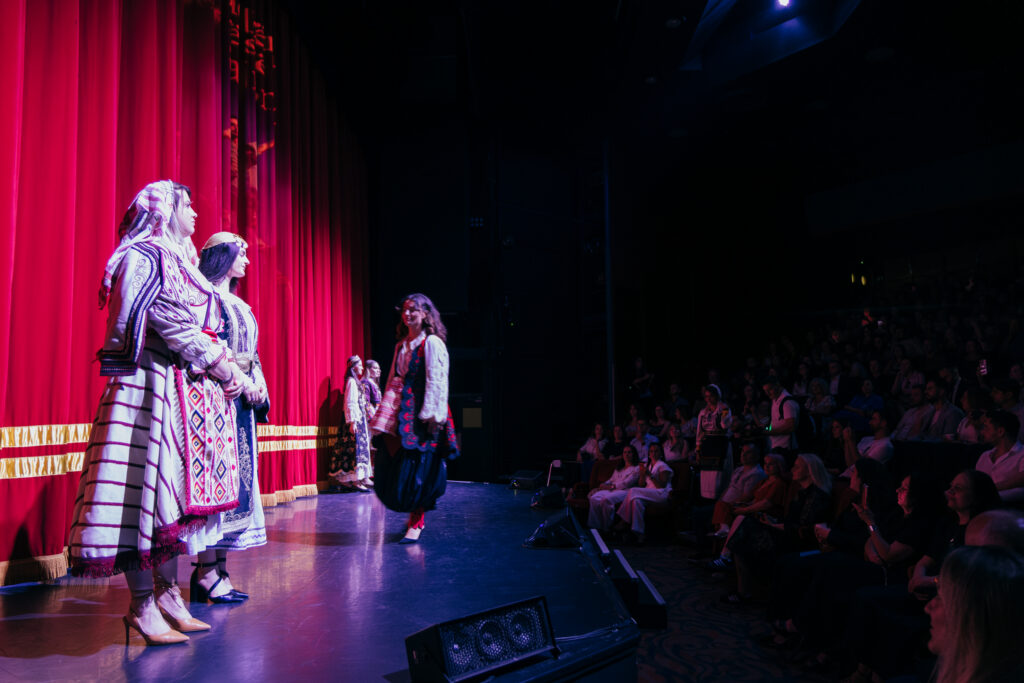
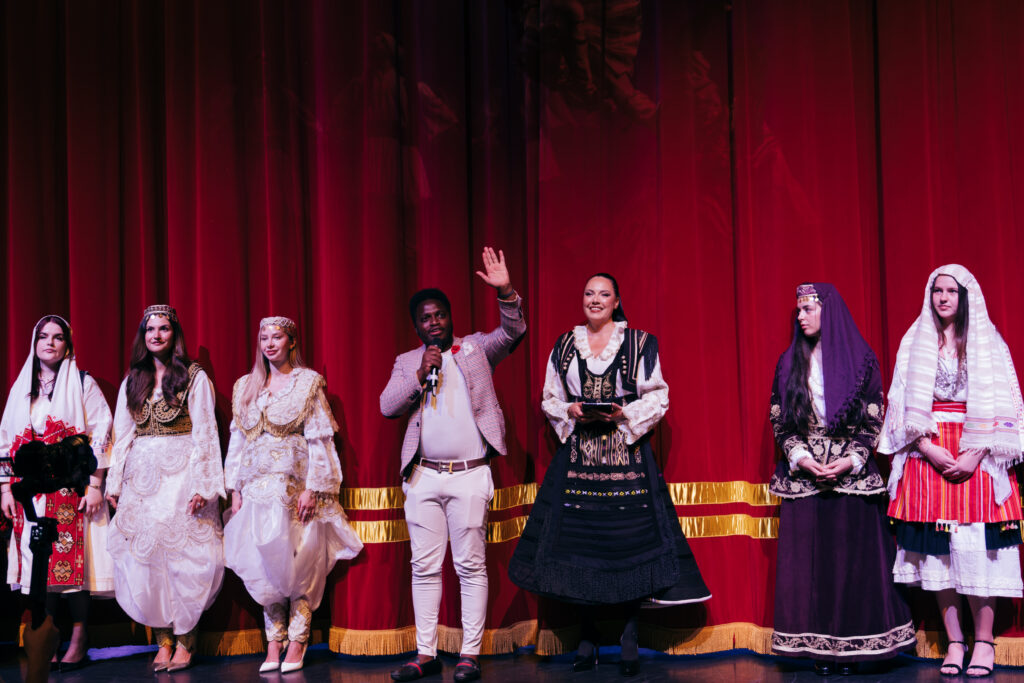
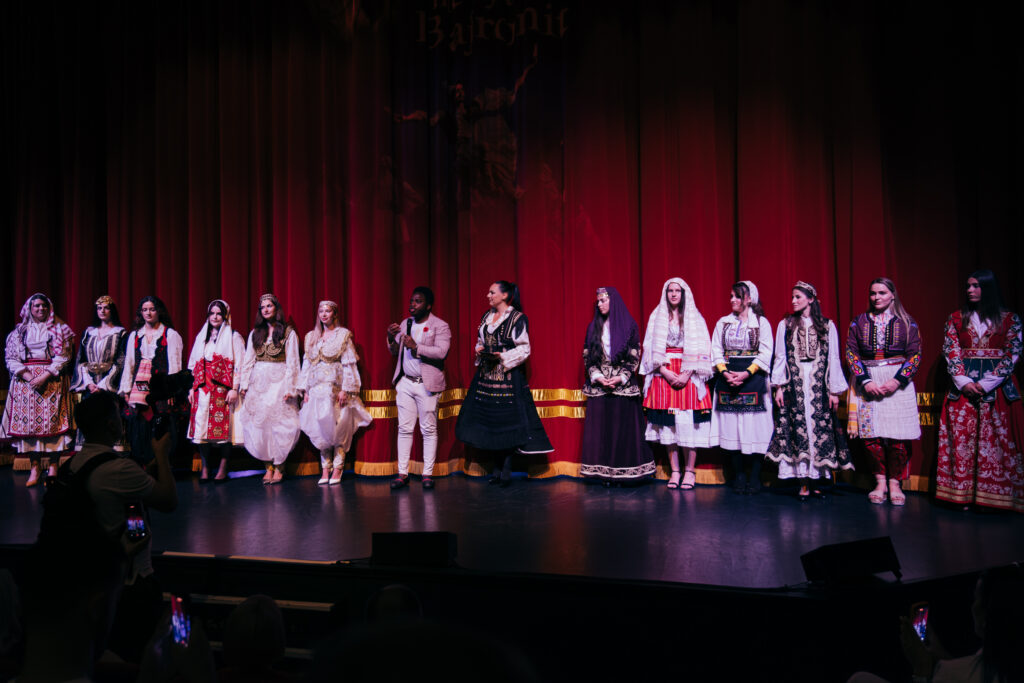
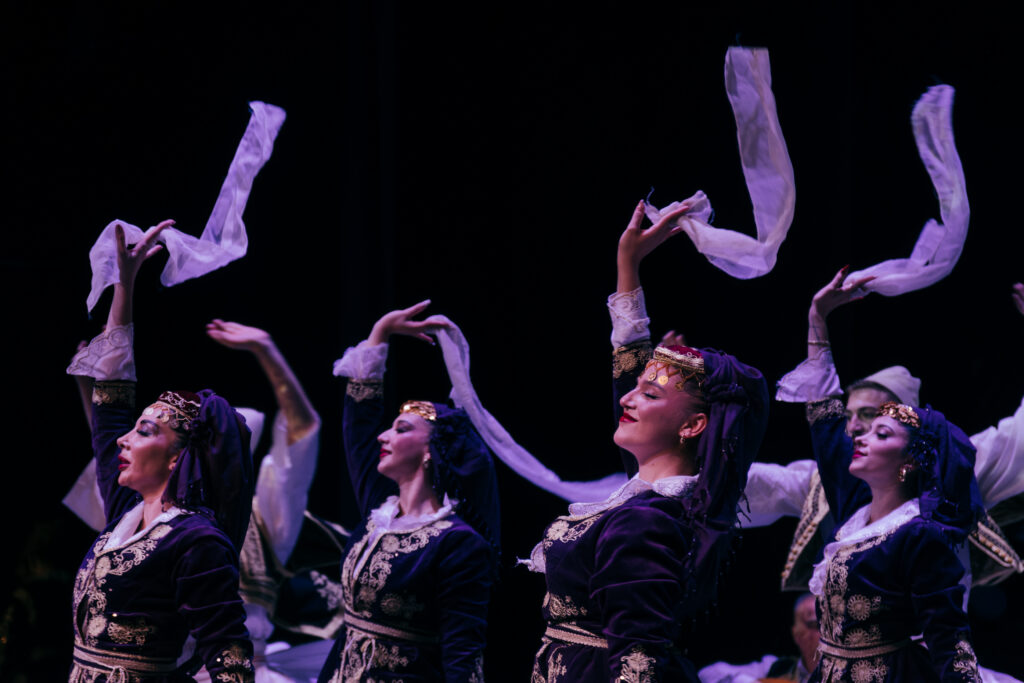
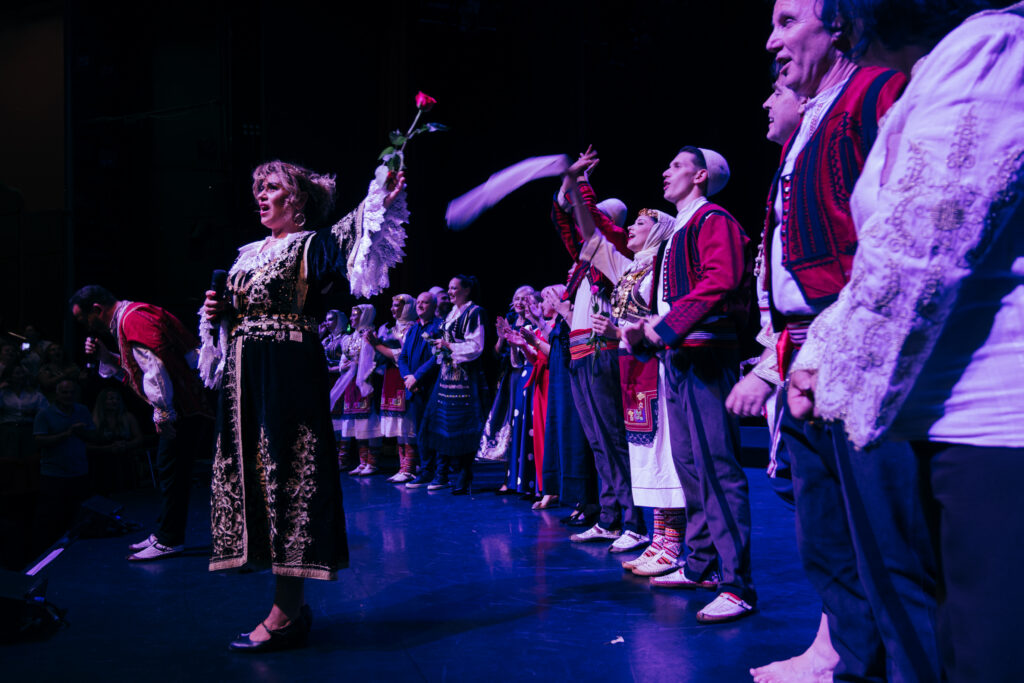
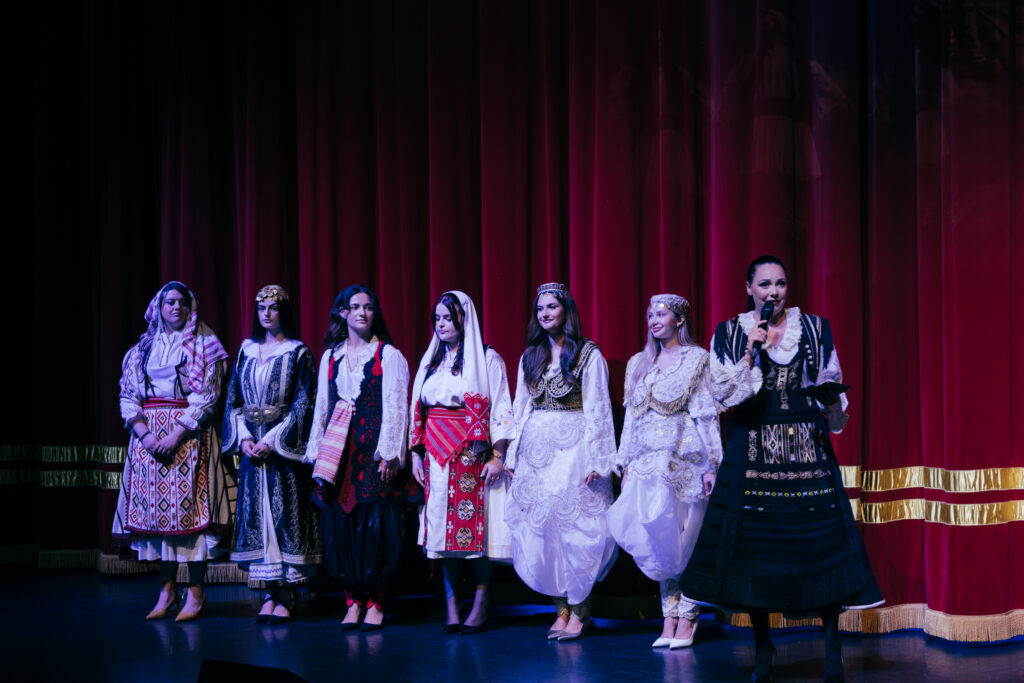
The workshop became far more than a dance lesson. It was a genuine cultural exchange that allowed British participants to experience Albania through movement, music, and tradition. They did not simply learn the steps of a folk dance—they discovered a piece of Albania’s history, identity, and spirit. Another unforgettable highlight of the evening was the appearance of twelve young Albanian women, dressed in authentic traditional costumes representing Tirana, Lunxhëria, Luma, Zadrima, Kosovo, Medvegja, and many other Albanian regions. As they walked onto the stage, they became a living mosaic of Albanian identity, showcasing the extraordinary diversity and beauty of our national heritage.
This remarkable presentation was made possible through the dedication of Tradita.AL and its founder, Edlira Sulaj, whose commitment to preserving Albania’s traditional costumes enabled the audience to admire an exceptional collection of authentic national dress. For a few magical moments, it felt as though all of Albania—from north to south and across every Albanian-inhabited region—had gathered in London. Each costume carried its own story, reflecting centuries of craftsmanship, symbolism, and local tradition. Together, they revealed the richness of a cultural heritage that continues to inspire pride across generations.
It was not simply a fashion presentation or a costume display. It was a tribute to the artisans who preserved these traditions, to the communities that continue to protect them, and to the cultural identity they represent.
By the end of the evening, London had done more than watch Albania perform.
It had danced to its rhythm, admired its traditions, embraced its culture, and experienced the warmth of a nation whose greatest strength lies in its heritage and its people.
A Legacy That Will Endure
“Albania Through Lord Byron’s Eyes” was far more than an artistic performance. It was a landmark event in cultural diplomacy—a bridge connecting Albania and the United Kingdom through the universal language of art, heritage, and shared history. More importantly, it became proof that when people believe deeply in a vision and refuse to give up, extraordinary things can happen. What began as an ambitious idea evolved into one of the most significant celebrations of Albanian culture ever presented in the United Kingdom.
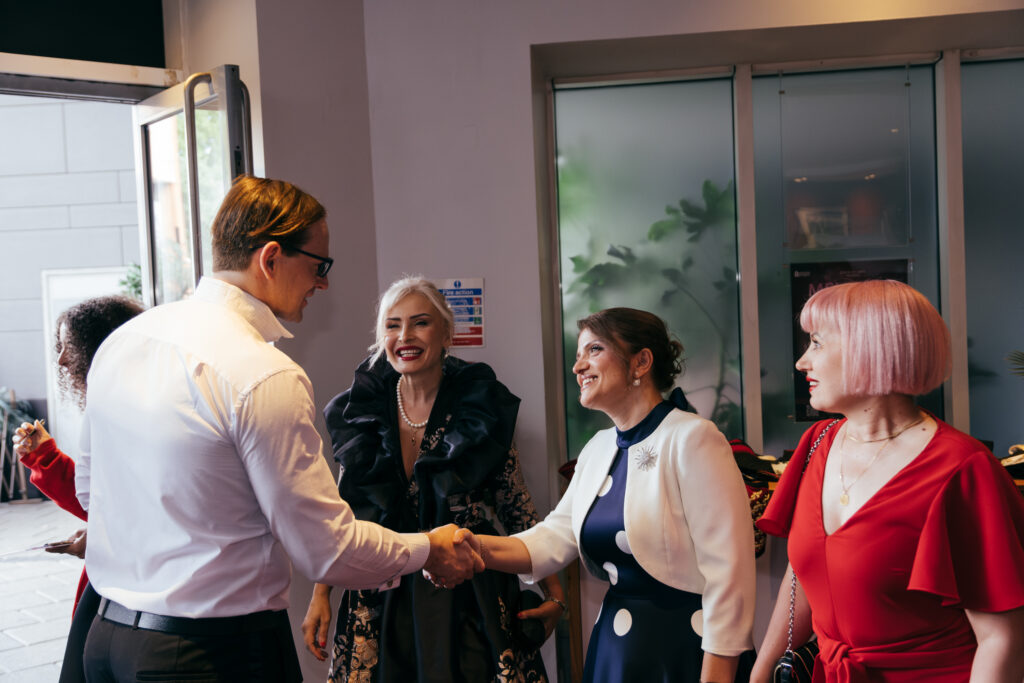
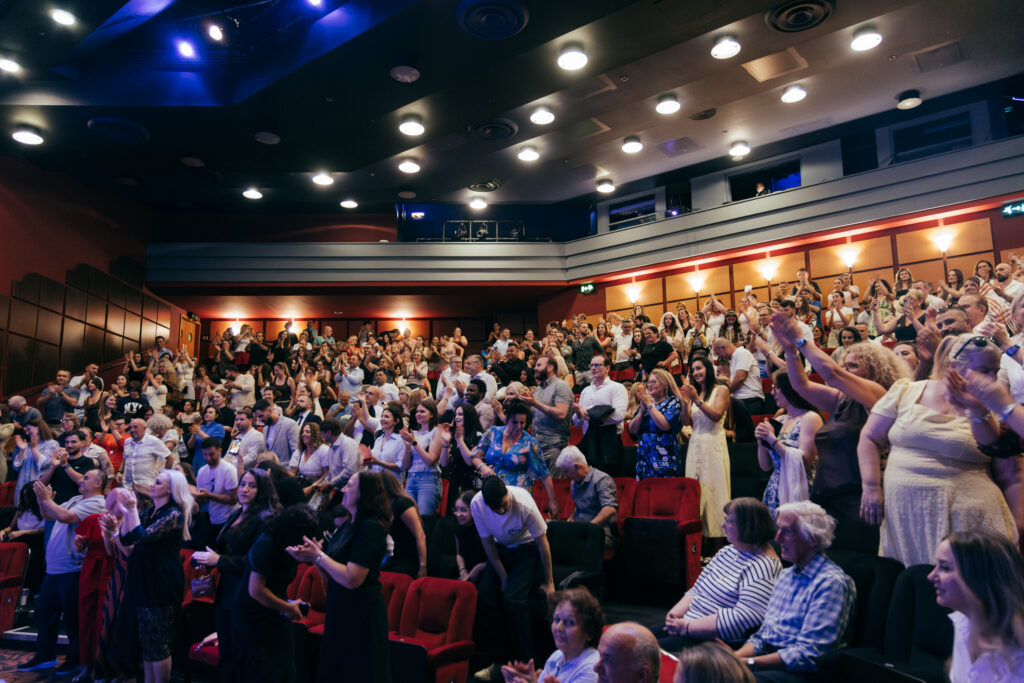
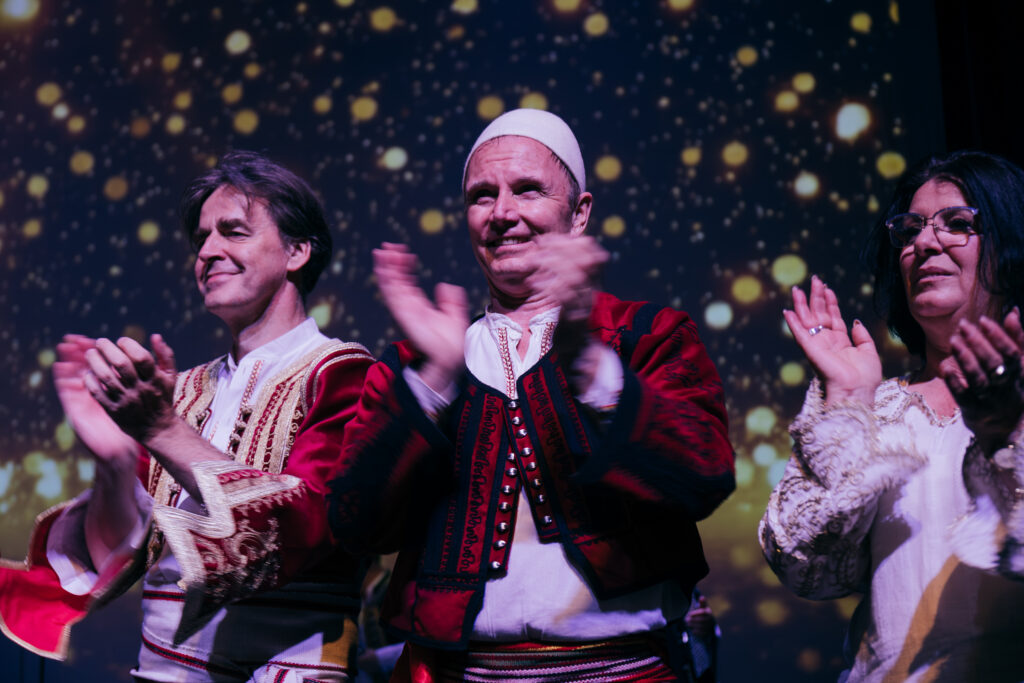
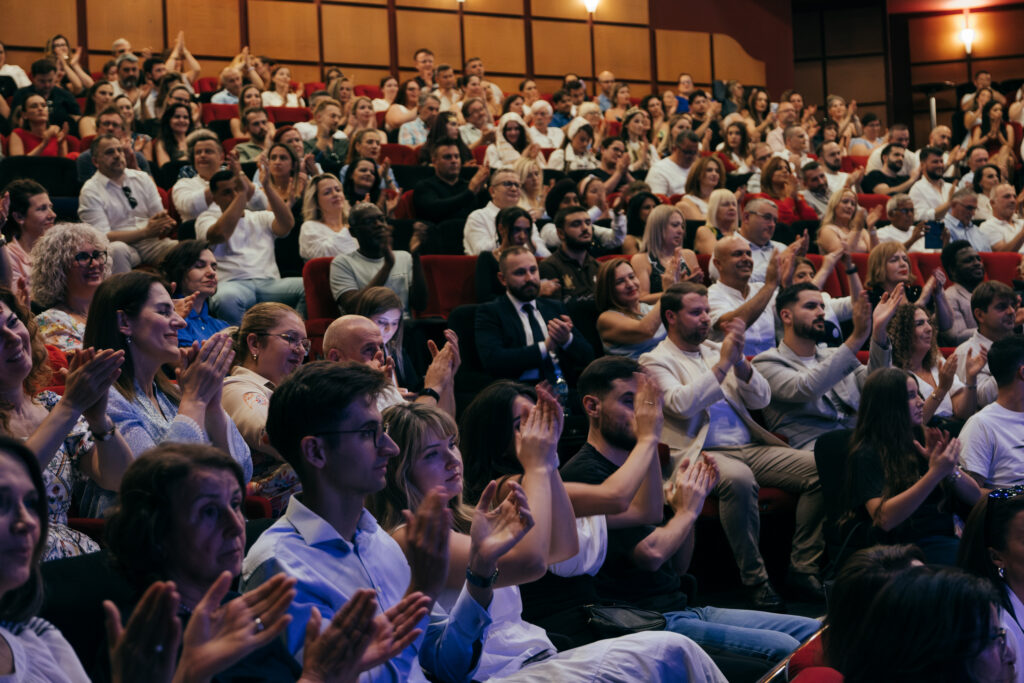
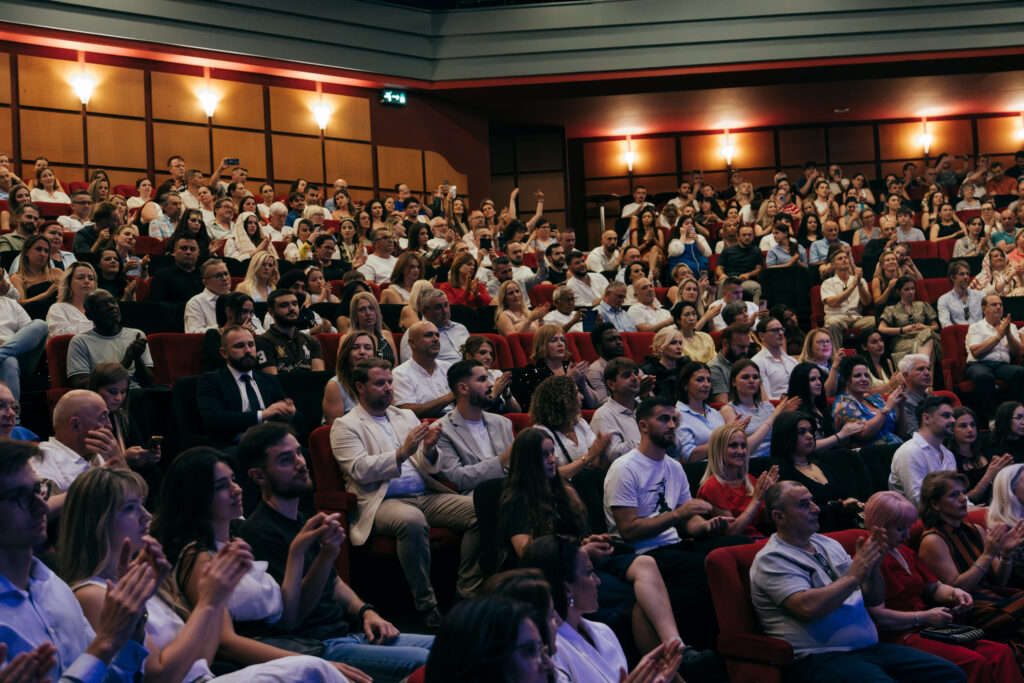
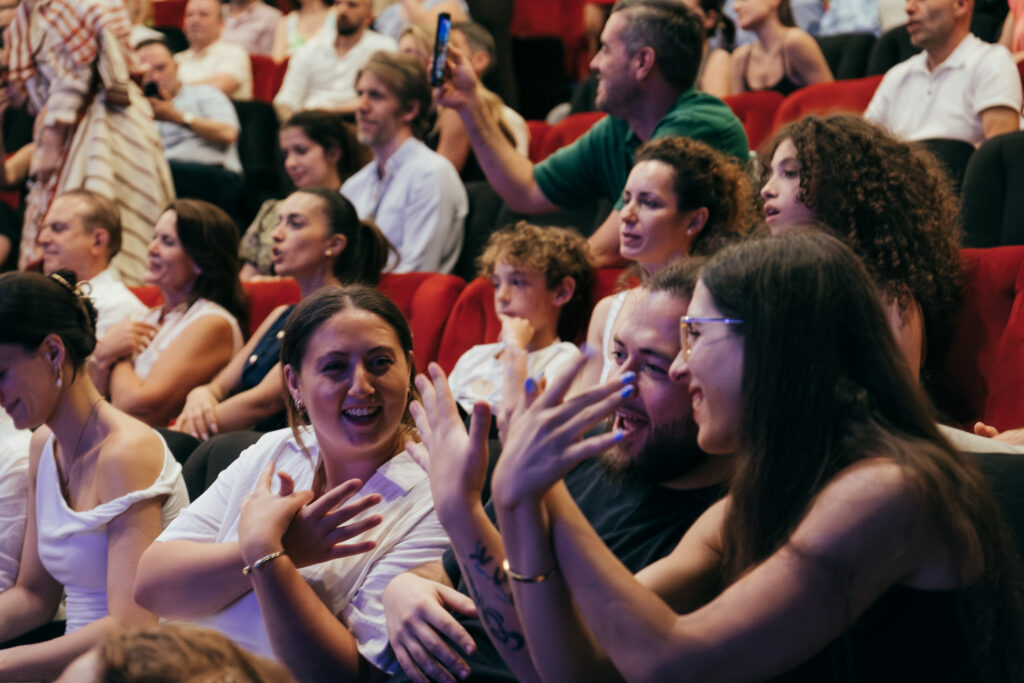
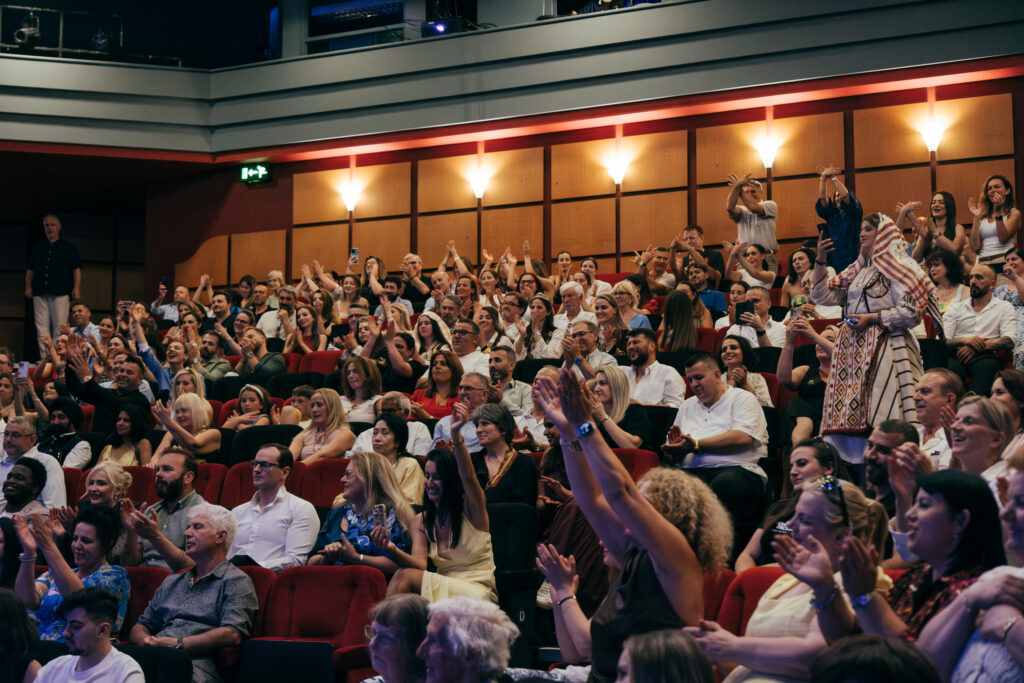
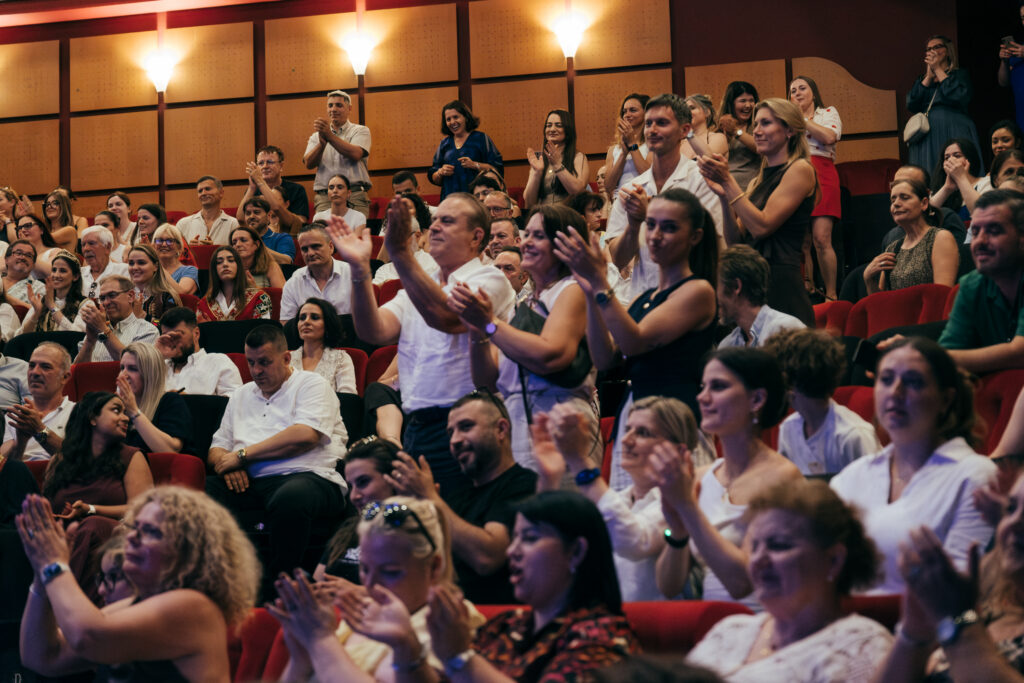
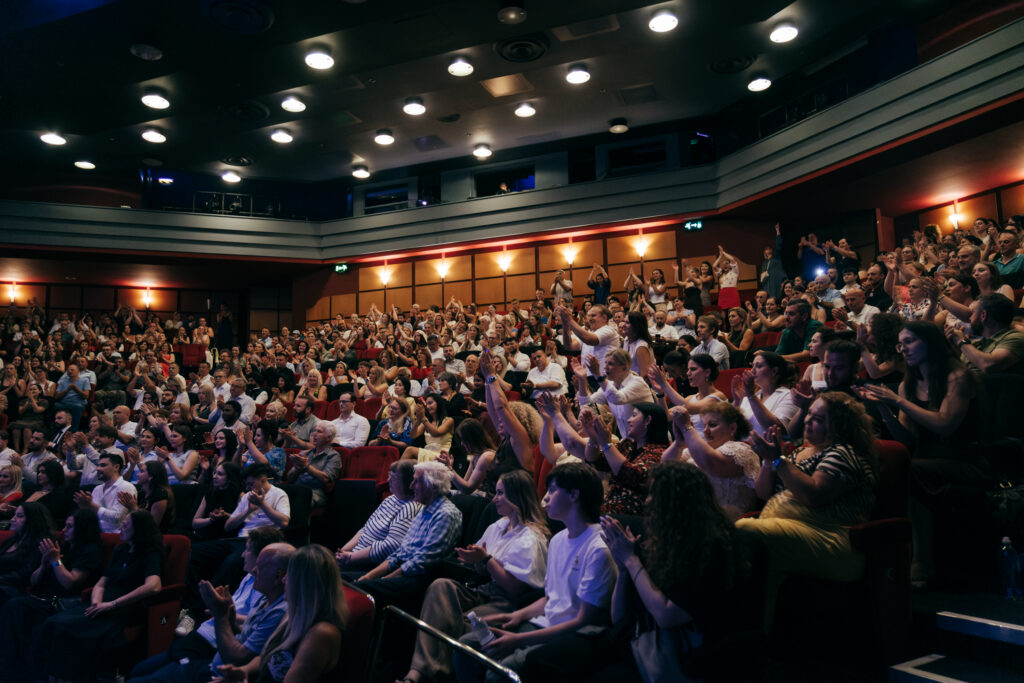
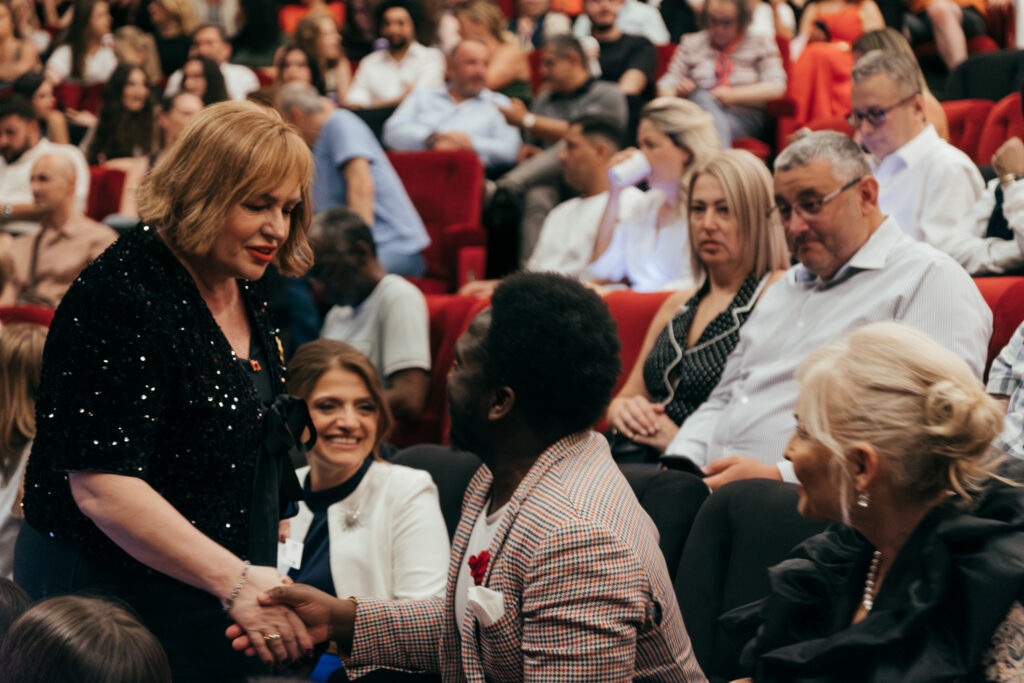
The event brought together more than 400 guests, including members of the Albanian and British communities, representatives of public institutions, diplomatic missions, community leaders, artists, academics, and friends of Albania. It was a rare evening where culture became a meeting place, creating new conversations, strengthening existing friendships, and building meaningful connections between nations.
Its impact extended far beyond the theatre. The event received extensive coverage across more than 32 national and international media outlets and digital platforms, reaching audiences well beyond those who were present in London. The overwhelming public response demonstrated that this was not simply a successful cultural event, but a moment of national pride that resonated with Albanians around the world.
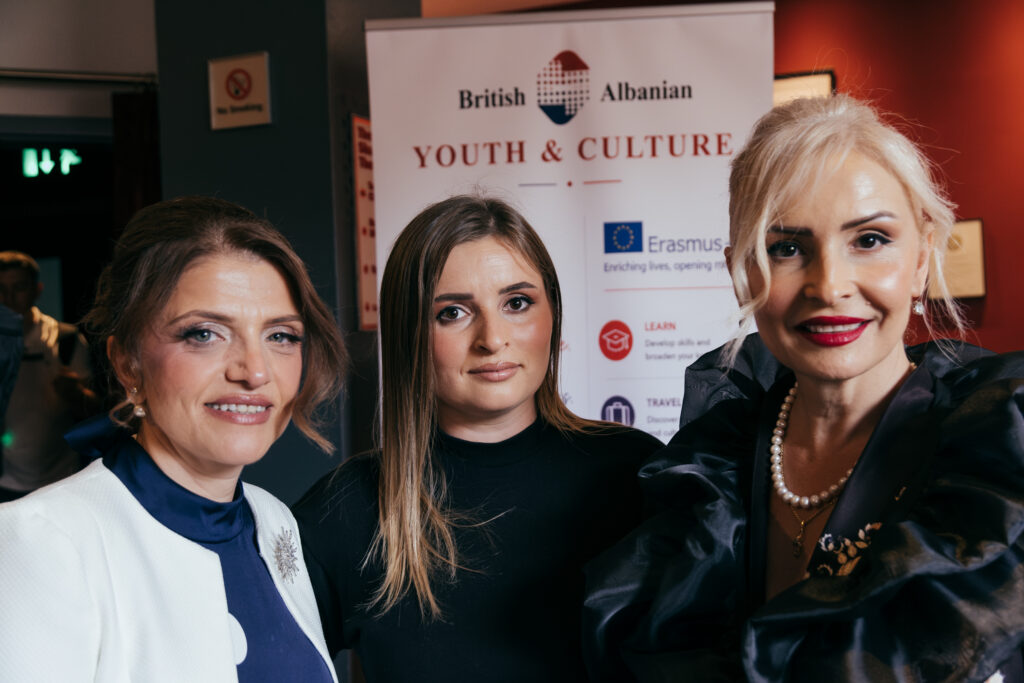
The project was led by Empowered Women of Diaspora, in partnership with British Albanian Youth & Culture, and was made possible through the support and collaboration of institutions and individuals who believed in its vision from the very beginning.
Our sincere gratitude goes to the National Agency of Diaspora, under the leadership of its Director General, Ermonela Xhafa, whose support played an important role in bringing this initiative to life. We also extend our deepest appreciation to Mamica Toska, Director of Bilateral Relations with Europe at the Ministry for Europe and Foreign Affairs of Albania, whose invaluable support throughout the visa process made it possible for the entire National Ensemble of Folk Songs and Dances of Albania to travel to London. Without that commitment and dedication, this historic performance could not have taken place.
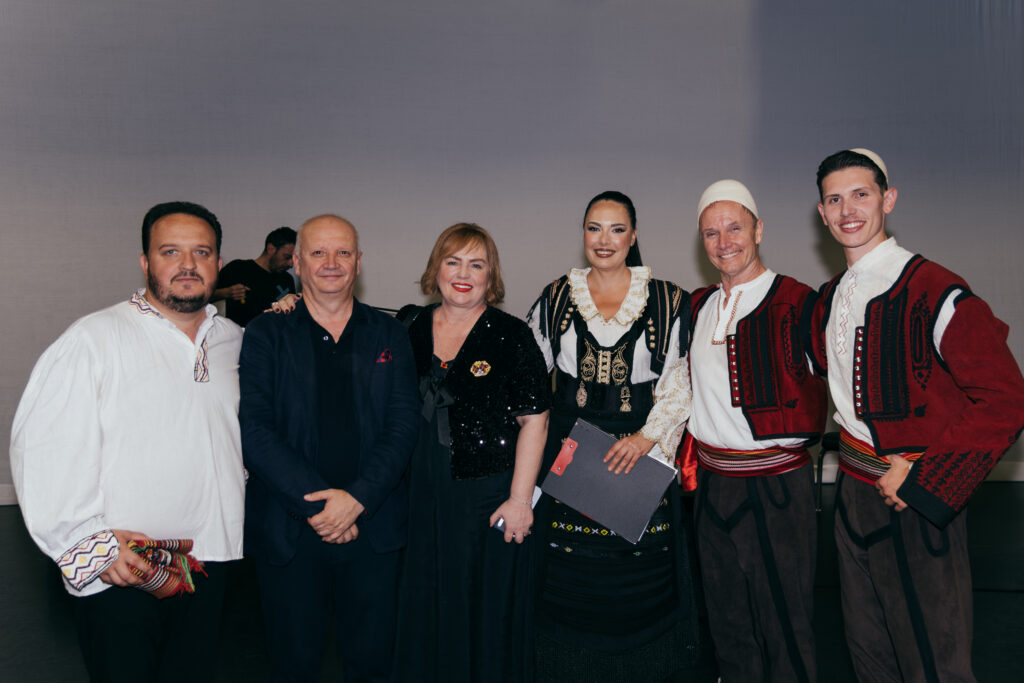
Every round of applause heard that evening carried within it months of preparation, determination, teamwork, and the quiet efforts of countless people working behind the scenes. Their dedication transformed an ambitious vision into an unforgettable reality. But perhaps the greatest achievement of this project cannot be measured in ticket sales, media coverage, or standing ovations.
Its true legacy lies in the connections it created, the pride it inspired, and the message it shared with the world—that Albania’s cultural heritage is not only something to be preserved, but something to be celebrated, experienced, and shared across borders.
At Empowered Women of Diaspora, we believe that women do more than build families and communities. They build bridges between cultures, preserve heritage, inspire future generations, and create history.
On 6 July, London did not simply host an Albanian cultural event.
For one unforgettable evening, it witnessed the living soul of Albania.
And that is a legacy that will endure.